

If you have just heard about teer and want to understand the shillong morning teer result, you are in the right place. This beginner guide from All Teer explains everything from zero. What teer actually is, why archery decides a lottery, what the morning session means, how the two rounds work, and how an ordinary person reads the result. No prior knowledge is assumed, and no confusing jargon is used without explanation.

By the end of this guide, you will be able to open any result page, identify the morning session, read the FR and SR numbers correctly, and understand exactly how those numbers came to exist. You will also know the common beginner mistakes and how to avoid them.
What Is Teer? The Archery Lottery of Meghalaya
Teer is a lottery game played in the Indian state of Meghalaya, and it is unlike any lottery you may have seen before. There is no spinning drum, no computerised draw, and no televised ball machine. Instead, the winning numbers come from real archery, shot by real archers, at a real target, in front of organisers and spectators.

The Khasi archery tradition
Archery has deep roots in the Khasi community of Meghalaya. For generations, skill with the bow has been a matter of pride and tradition. Long ago, people began placing friendly wagers on archery contests, guessing how many arrows would strike the target. Over time this pastime was organised, brought under government regulation, and shaped into the teer system that exists today. When you follow a teer result, you are following a living piece of Meghalaya’s culture. You can learn more about the state on the Meghalaya government portal and about the sport itself on Wikipedia’s archery page.
From arrows to numbers
Here is the core idea in one paragraph. In each round, a group of archers shoots a fixed number of arrows at a target during a fixed time. Officials count only the arrows that hit the target. The last two digits of that count become the winning number. If 1,532 arrows hit, the number is 32. If 987 arrows hit, the number is 87. This is only an illustration of the method. Real counts are different every day, and no guide can tell you what they will be.
Why people trust it
Because the number comes from a physical event that many people witness, teer feels transparent to its followers. Nobody draws the number from a hat. It emerges from counting real arrow hits. The counting is done by officials, and the declared number is what the count produced.
What Does “Morning” Mean in Shillong Morning Teer Result?
Teer in Shillong is not a single daily event. It runs in sessions through the day, and the shillong morning teer result belongs to the earliest session.
Think of the day as having chapters. The morning session is chapter one. It is held and decided in the morning hours, before the better known afternoon Shillong session. Later sessions have their own archery rounds and their own results. Each session stands alone. The morning numbers do not affect the afternoon numbers, and the afternoon numbers do not change anything about the morning.
The morning session exists for a practical reason. Many participants prefer to finish their involvement early in the day. Archery clubs can also organise more events by spreading them across sessions. For followers, the morning result is simply the first result of the day, and checking it becomes part of the morning routine, like reading the news with tea.
The Two Rounds: FR and SR in Plain Language
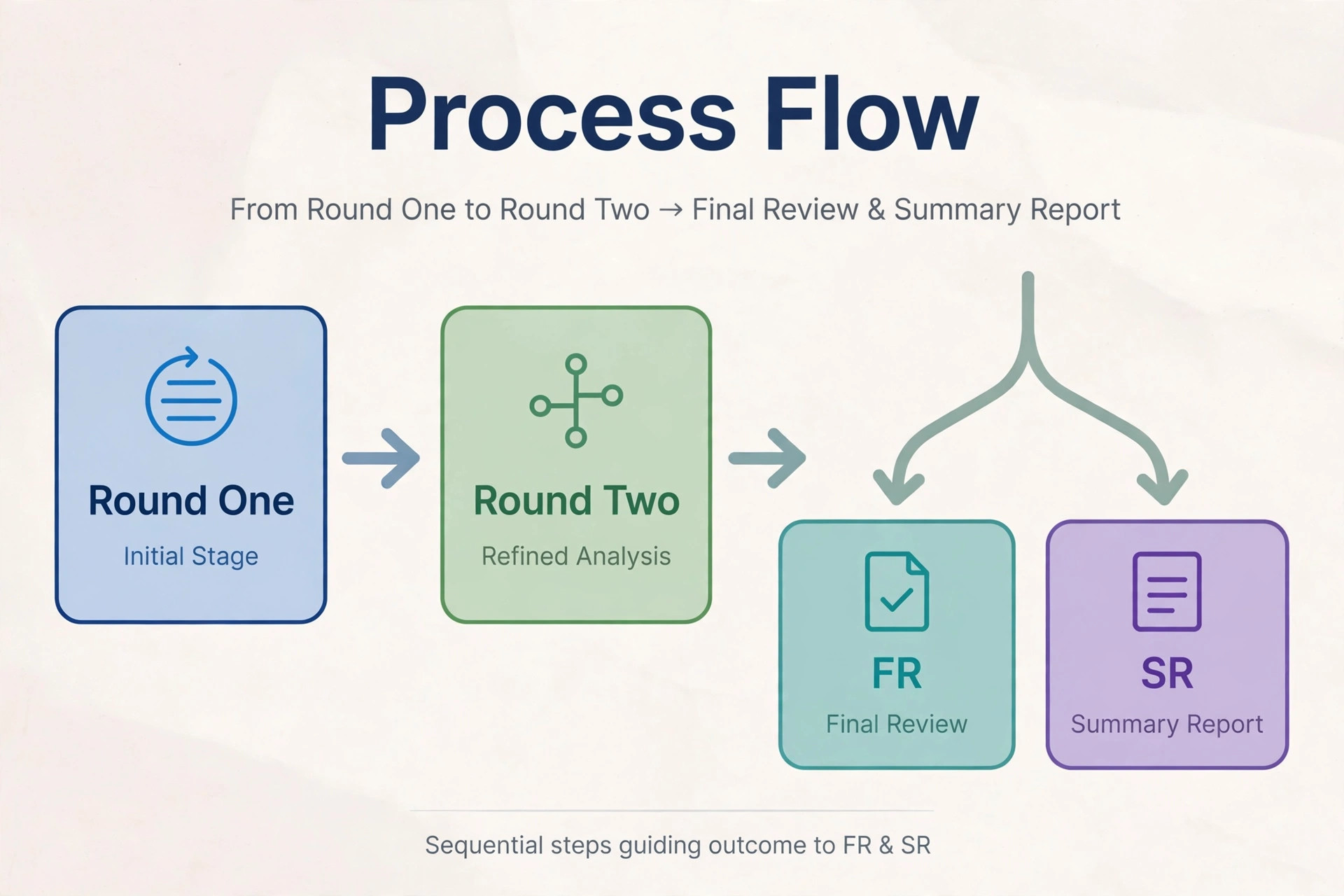
Every morning session has two rounds. Beginners sometimes think FR and SR are two separate games. They are not. They are two rounds of the same morning session, one after the other.
First round (FR)
The first round opens the session. A larger group of archers shoots, the hits are counted, and the last two digits of the count become the FR number. This number is declared first, in the late morning. When people say the morning FR is out, they mean this first number has been officially announced.
Second round (SR)
After the first round, a second round is conducted with fewer archers. The process is identical, shoot, count the hits, take the last two digits. The SR number is declared after the FR, usually about an hour later. The SR number has no mathematical relationship with the FR number. They come from two separate rounds of shooting.
A simple analogy
Imagine two separate archery contests held one after another in the same morning. Each contest produces its own winning number. That is exactly what FR and SR are. The result of the morning session is the pair of both numbers together.
When Is the Shillong Morning Teer Result Declared?
Beginners ask about timing more than anything else, so here is the daily rhythm in plain terms.
The morning session’s first round number is generally declared in the late morning, around 10:30 AM Indian Standard Time. The second round number generally follows around 11:30 AM Indian Standard Time. These times describe the usual pattern on working days. The exact minute can shift a little from day to day, which is completely normal.
There is no session, and therefore no result, on Sundays, which are normally holidays for teer. Some public holidays also pause the game. On those days, result pages simply show no new morning numbers. That is expected, not a technical problem.
Sometimes a result arrives a few minutes later than usual. Weather at the shooting ground or the time taken for careful counting can cause small delays. A short delay is routine. It does not mean the result is cancelled, and it certainly does not justify believing unofficial numbers shared on chat apps before the official declaration.
How to Read the Result: A Beginner’s Walkthrough
Let us walk through reading a result card slowly, as if you have never seen one before.
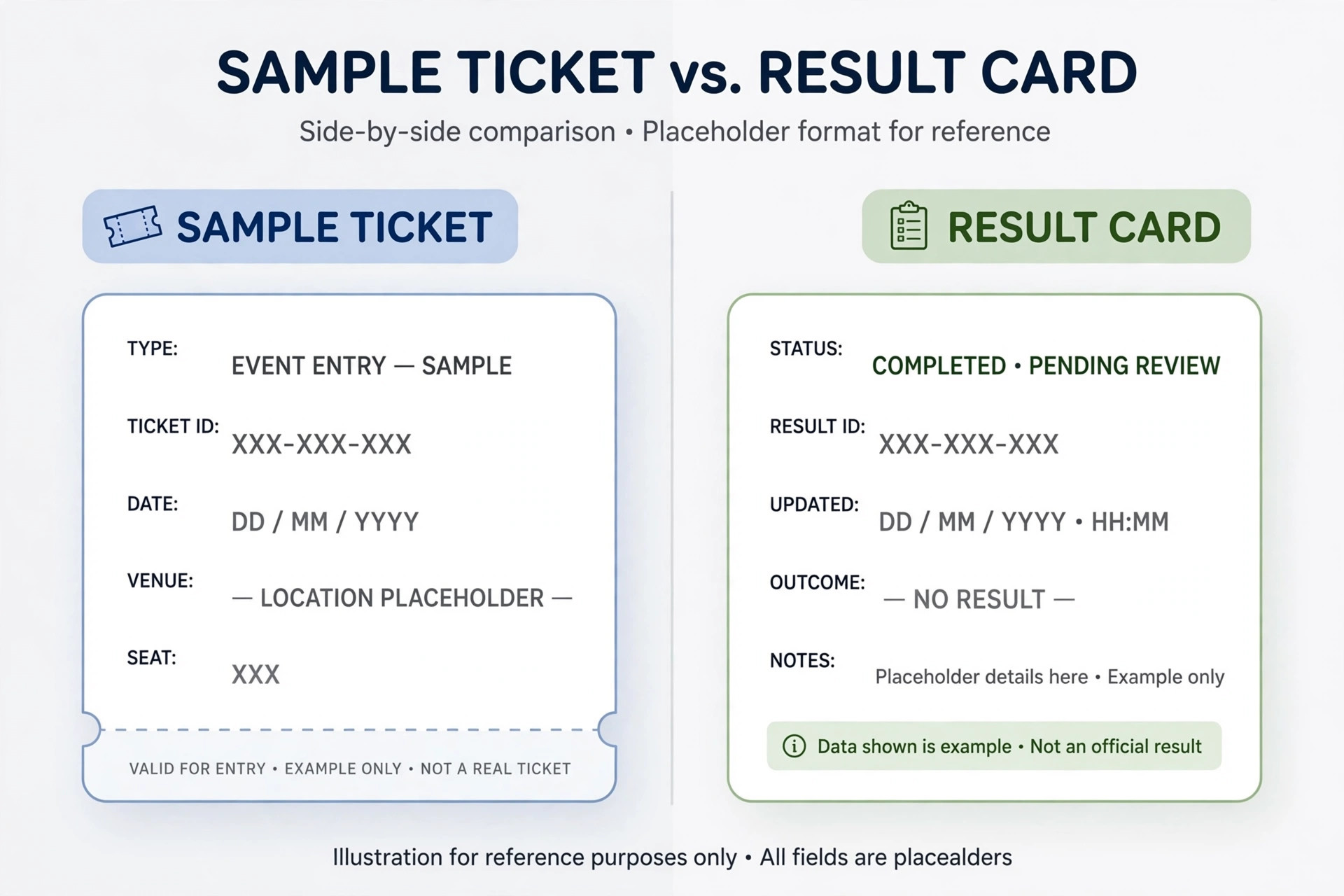
Step 1: Make sure it is the morning session
Result websites list several sessions. Look for the words “morning” and “Shillong” together. The card you want is the Shillong morning one, not the afternoon Shillong card and not a Juwai or Khanapara card. Session labels exist precisely to prevent this mix up, so use them.
Step 2: Check the date
The card shows a date. It must be today. Result sites archive old results, and an old card looks almost identical to a new one except for the date. This single check prevents the most common beginner error.
Step 3: Find the FR number
FR stands for first round. Next to it you will see two digits, something between 00 and 99. Read both digits. If the number has a leading zero, like 04, say both digits in your head, zero four. Leading zeros are part of the number.
Step 4: Find the SR number
SR stands for second round. Read it the same way. If only FR is shown, the second round has not been declared yet. Wait for it instead of assuming anything.
Step 5: Understand placeholders
Before declaration, cards often show dashes where numbers will go. A dash means “not declared yet.” It is not a zero and not a result. Patience is the correct response to a dash.
Tickets and Results: How They Connect
If you ever participate, you will buy a ticket before the session. Here is how the ticket relates to the shillong morning teer result, explained without any betting advice.
A ticket carries a two digit number you have chosen, from 00 to 99, and it is marked for a specific round, FR or SR. After declaration, you compare. If your ticket is for the first round, only the FR number decides it. If it is for the second round, only the SR number decides it. Both digits must match exactly.
Keep the physical ticket safe until you have verified the result from a reliable source. The ticket is the proof of participation and is needed for any claim process. Never throw it away before checking.
Where do people check? Dedicated result websites are the standard choice. The All Teer homepage shows all sessions at a glance, the dedicated Shillong morning teer result page focuses on the morning numbers, and the teer result list keeps previous days organised. Checking the same numbers on two independent sites is a good habit when it matters.
Words You Will Keep Seeing
Teer has its own small vocabulary. Here are the terms a beginner meets most often.
FR means first round, the first number of the session. SR means second round, the second number. A session is one complete event, in this case the morning event with its two rounds. A counter is a licensed outlet where participation tickets are sold. The declaration is the official announcement of the number. A result list or archive is the date wise record of past results.
You may also see words like common number, hit number, or target number on some websites. These are predictions made before the event. They are guesses, not results, and they have no official standing. A beginner should learn to recognise the difference immediately: declared numbers come after the archery, predictions come before it, and only declared numbers count.
The Morning Session vs the Afternoon Session
Because both carry the Shillong name, beginners often confuse the morning and afternoon sessions. Here is the clear distinction.
The morning session happens first, in the morning hours, with its own archers, its own two rounds, and its own FR and SR numbers. The afternoon session, often just called Shillong teer, happens later in the day with a fresh set of rounds and fresh numbers. They share the city and the method, nothing else.
On a result website the two sessions have separate cards and separate pages. When you want the shillong morning teer result, open the morning card or the morning page specifically. The afternoon card is a different result for a different session.
Responsible Play: What Every Beginner Must Know
Teer is a legal lottery in Meghalaya, and like every lottery it involves the risk of losing money. A few principles will keep the experience healthy if you ever participate.

First, participation is strictly for adults aged 18 and above. Second, decide a fixed budget before you start and never exceed it. Third, never chase losses by increasing your stakes. Fourth, treat teer as a traditional pastime, not as income or investment. Fifth, if you ever feel the habit is becoming hard to control, stop and seek support. These are not formalities. They are the difference between a harmless tradition and a harmful habit.
This guide is informational. It explains the system so you can understand it. It does not encourage participation and it contains no predictions, tips, or betting advice of any kind.
A Beginner’s First Week Following the Morning Result
Theory is useful, but nothing teaches like a week of actually following the shillong morning teer result. Here is a simple plan for your first seven days.
On day one, just observe. Open the result page after the declaration window, look at the card, and identify each element: the date, the session label, the FR number, the SR number. Do not worry about what the numbers mean yet. The goal is familiarity with the layout.
On day two, practise the timing. Check once after the usual FR declaration time and note whether the FR number is present. Check again after the usual SR time. You will start to feel the rhythm of the two stage announcement.
On day three, test your date discipline. Deliberately look at the archive in the teer result list and notice how similar old cards look to new ones. This trains your eye to always verify the date first.
On day four, practise reading. Cover the numbers, uncover them one round at a time, and read each as two digits including leading zeros. Say them aloud if it helps. Accuracy in reading is a genuine skill.
On day five, try the cross check habit. Open a second independent result website and compare its FR and SR numbers with the first site. They should match exactly for the same date. This is the verification habit that experienced followers use.
On day six, observe a delay if one happens, or simply note how the page looks before declaration with its placeholders. Learn to be comfortable with dashes. They mean the round is not done yet.
On day seven, review your week. You now know the layout, the timing, the date check, the reading method, and the cross check. You have the complete beginner skill set. From here, checking the shillong morning teer result takes less than a minute a day, and you will do it with confidence instead of confusion.
Frequently Asked Questions
What is the shillong morning teer result?
It is the declared outcome of Shillong’s morning archery session, made of two two-digit numbers: FR for the first round and SR for the second round.
How are the numbers decided?
Archers shoot arrows at a target, officials count the arrows that hit, and the last two digits of the count become the winning number. The same method is used for both rounds.
When does the morning result come out?
The FR number is generally declared around 10:30 AM IST and the SR number around 11:30 AM IST on working days. Exact minutes can vary slightly.
Is there a morning result on Sunday?
Usually not. Sundays are normally holidays for teer, so no morning session is held.
What is the difference between FR and SR?
They are the two rounds of the same morning session. FR is declared first from the first round of shooting, SR second from the second round. Each is independent.
Can I predict the result from old numbers?
No. Every round of shooting is independent. Past results are a historical record only and do not determine future numbers.
Where should a beginner check the result?
On a dedicated result website with clear dates and separate session cards, such as the Shillong morning teer result page on All Teer. Cross check on a second site when it matters.
What does a dash mean on the result card?
It means the number for that round has not been declared yet. Wait for the official announcement instead of guessing.
Conclusion
You now understand the shillong morning teer result from the ground up: the archery tradition behind it, what the morning session is, how FR and SR rounds produce their numbers, when to expect them, how to read a result card without mistakes, and how to keep the whole experience responsible. Keep the All Teer homepage bookmarked for daily checking, revisit this guide whenever a term confuses you, and you will never feel like a beginner again.