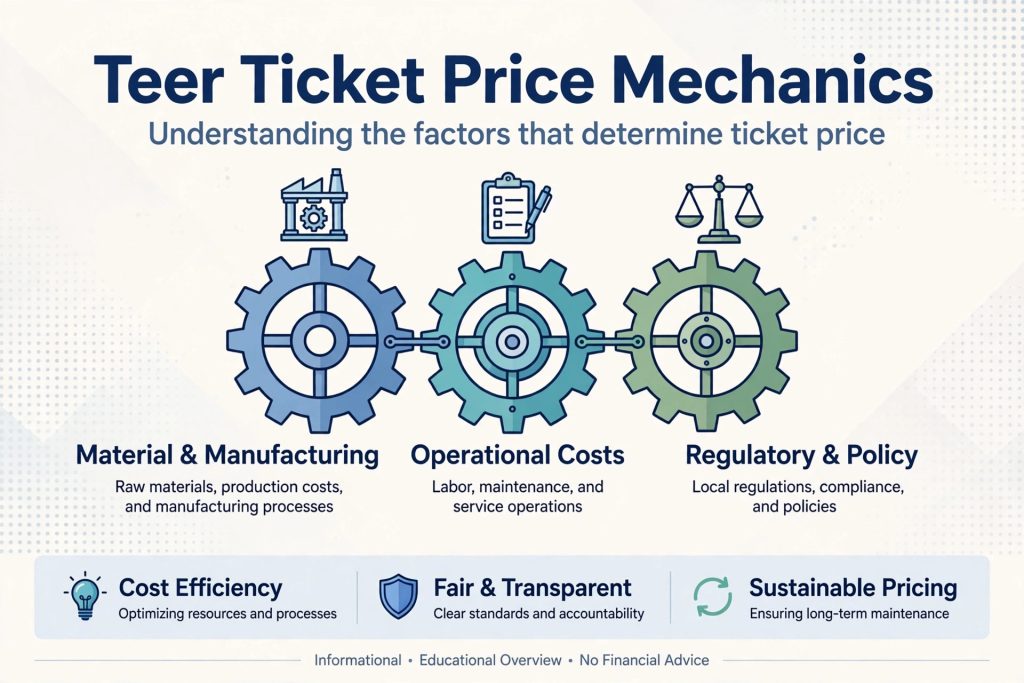
Most guides tell you that a teer ticket costs Rs 10 and leave it there. That is true, but it does not tell you what a day of playing actually costs, or why some players spend Rs 20 a day while others spend Rs 200. The teer ticket price only makes sense when you understand the machine it fits into: two rounds per session, several sessions per day, and your own choice of how many tickets to buy. This article explains the price through the mechanics, so you can calculate your exact cost before you ever reach a counter.
Teer is a legal lottery in Meghalaya, played around traditional archery and regulated by the state. It is strictly for adults aged 18 and above. The pricing system is deliberately simple and uniform, which is part of why the game has stayed accessible for decades. Let us break down how the pieces fit together.
Teer Ticket Price and the Two Round System
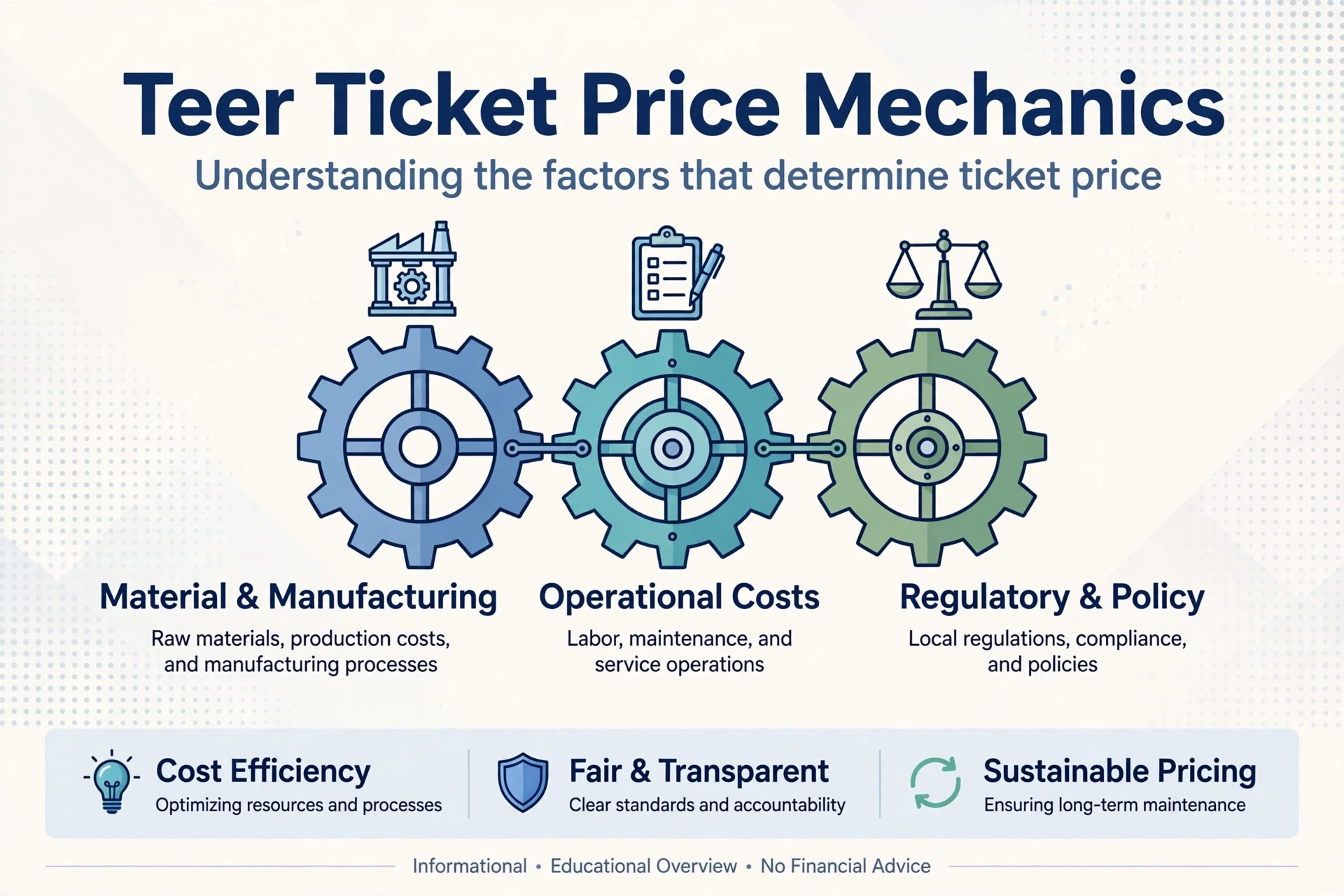
Every teer session contains two rounds: the first round (FR) and the second round (SR). Think of them as two separate draws that happen one after the other. The teer ticket price is attached to the ticket, not to the round, so a Rs 10 ticket costs Rs 10 regardless of which round it covers.
When you buy, you decide the coverage. A first round ticket carries your chosen two digit number into the FR draw only. A second round ticket carries it into the SR draw only. A both rounds ticket carries the same number into both draws for a single payment of the denomination. This is the first mechanical decision that shapes your cost: one ticket can cover one or two draws depending on what you ask for.
The results work the same way. Each round declares its own two digit winning number, and your ticket is checked only against the rounds it covers. A both rounds ticket therefore gets two chances from one payment, while two separate single round tickets cost twice as much but let you play two different numbers. Neither approach is better in absolute terms. The right choice depends on whether you prefer spreading numbers or keeping things simple.
You can follow both rounds of every session on the All Teer homepage, where FR and SR numbers are published as soon as they are declared.
How Many Tickets Does One Player Actually Need
This is the question that determines your real spending. The minimum is one ticket for one round: a single Rs 10 slip. From there, the count grows with each choice you add.
A player who plays both rounds with the same number needs one both rounds ticket. A player who wants different numbers for FR and SR needs two tickets. A player who likes three different guesses in the first round needs three tickets, and so on. The formula is simple: multiply the number of guesses by the denomination, and that is your cost for the session.
Consider a concrete example. Meera plays the day session with two numbers in the first round and one number in the second round, all at Rs 10 each. Her session cost is Rs 30. Her neighbour plays one Rs 50 both rounds ticket with a single number. His session cost is Rs 50. Both are playing the same game at the same counter with the same teer ticket price per unit. Their totals differ only because of how many tickets they chose.
This is why asking what teer costs has no single answer. The unit price is fixed and tiny. The total is entirely in your hands, which is exactly why budget discipline matters more than number selection.
The Mathematics of a Playing Day – Cost Scenarios
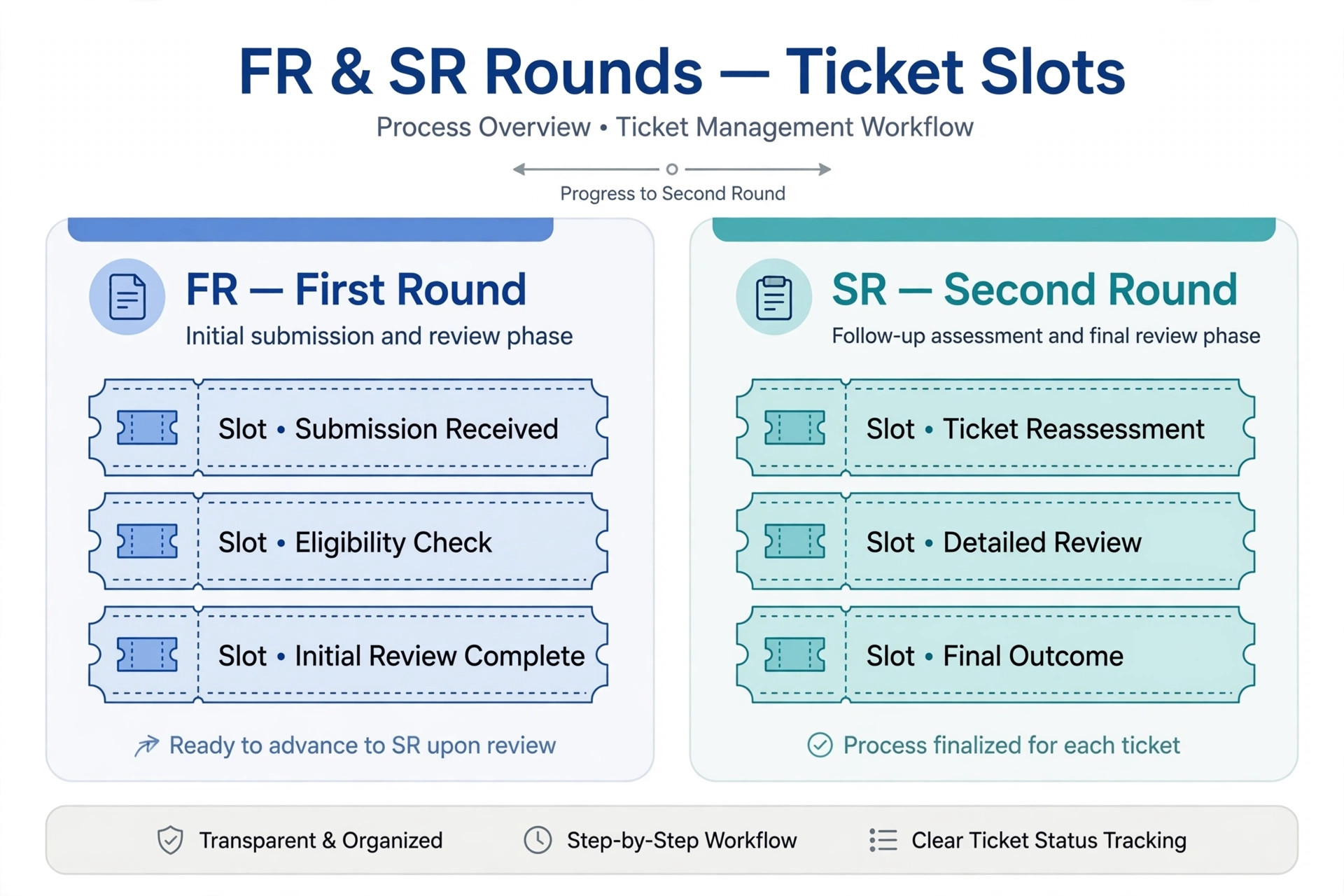
Let us run three realistic playing styles through a full day to show how the teer ticket price scales.
The light player buys one Rs 10 first round ticket in the day session and stops. Daily cost: Rs 10. Weekly cost over six playing days: Rs 60. This is the smallest meaningful participation, and it is completely respectable.
The regular player buys one Rs 10 both rounds ticket in the day session. Daily cost: Rs 10. Weekly cost: Rs 60. Same spend as the light player, but with coverage in both rounds instead of one. This is arguably the best value pattern for casual daily play.
The enthusiast plays the morning session and the day session, buying two Rs 20 tickets per session with different numbers. That is four tickets at Rs 20, so the daily cost is Rs 80 and the weekly cost is Rs 480. Notice how quickly multi session play multiplies the total even though the unit teer ticket price never changed.
The lesson is that sessions and ticket counts are the real cost drivers, not the denomination. Before increasing your ticket size, check whether you are already playing more sessions or more tickets than you intended.
Session Stacking – Morning, Day and Night Costs
Teer runs morning, day and night sessions, each operating as an independent game with its own tickets and its own results. The teer ticket price is identical in all three, which makes the arithmetic easy but also makes overspending easy to miss.
If you play one Rs 10 ticket in each of the three sessions, your day costs Rs 30, not Rs 10. Players who drift from one session into the next often lose track of this stacking. A useful habit is to decide in the morning which sessions you will play that day and buy those tickets in their respective sale windows, rather than deciding session by session on impulse.
Each session also has its own sale cutoff, with ticket sales closing shortly before its first round. The morning cutoff comes early, the day cutoff in the afternoon, and the night cutoff in the evening. Missing a cutoff simply means sitting that session out, which is always better than turning to an unofficial seller. For session timings and declared numbers across the day, the morning teer result page and the night teer result page keep everything in one place.
Denomination Strategy – Splitting Versus Stacking Stakes
With Rs 100 to spend in a session, you face a mechanical choice: one Rs 100 ticket, or ten Rs 10 tickets, or something in between. The mathematics of winning are worth understanding here.
Ten Rs 10 tickets with ten different numbers give you ten different chances in the draw. One Rs 100 ticket with one number gives you a single chance with a ten times larger prize if it wins. The total amount at risk is identical. The difference is purely about distribution: many small chances versus one large chance.
Most long term players prefer splitting, because teer is a fixed odds game where each number has the same probability. Spreading tickets across numbers does not change the expected return, but it smooths the experience: small wins come more often, even if each win is smaller. Stacking everything on one number creates long losing stretches punctuated by rare larger wins, which many players find harder to handle emotionally.
Whatever you choose, the teer ticket price system supports it without any penalty or bonus. There is no bulk discount and no surcharge. Ten Rs 10 tickets cost exactly the same as one Rs 100 ticket, so decide based on temperament, not on imagined pricing advantages.
Teer Khela Price Over a Month – The Long Term View
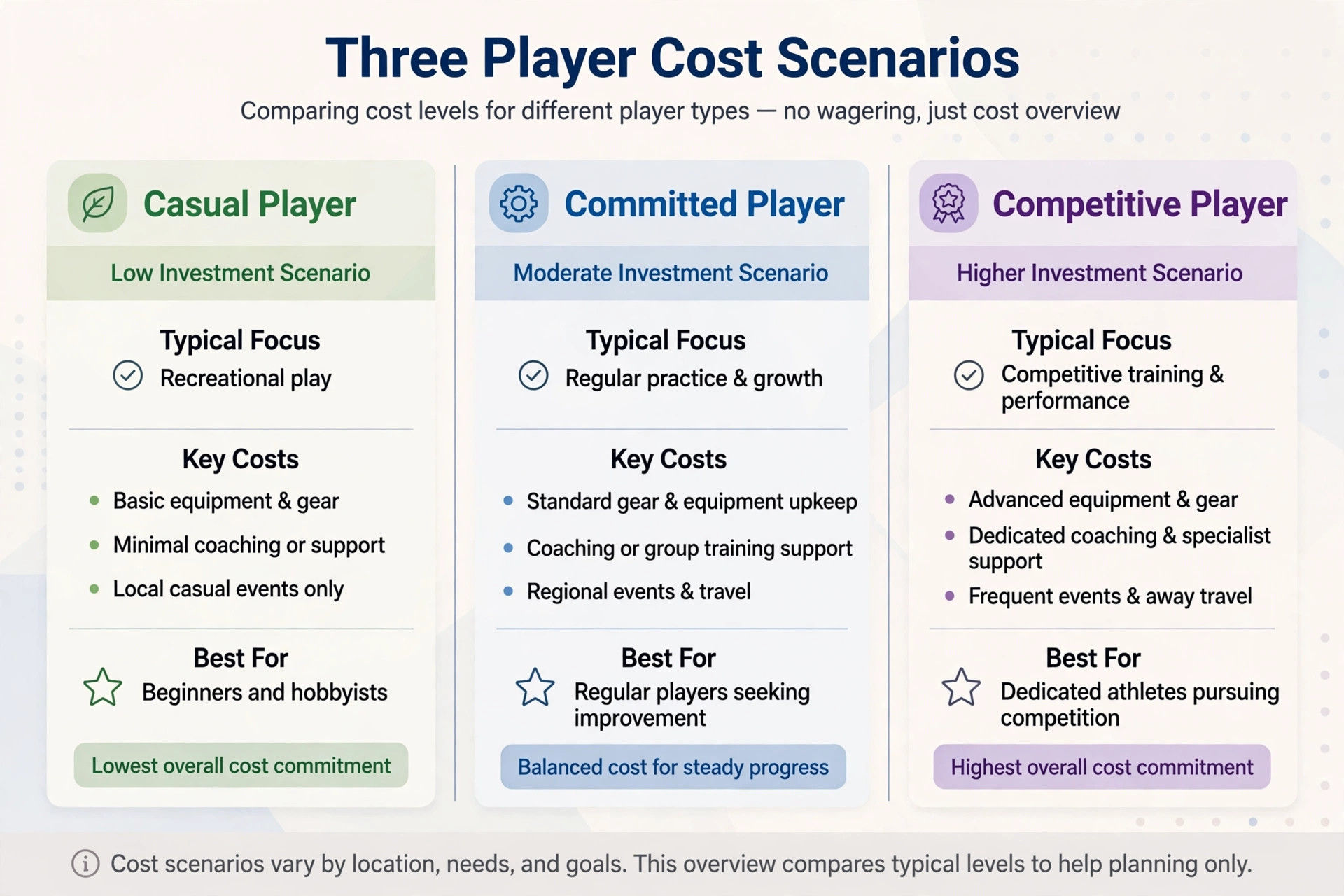
Daily amounts feel small, which is precisely why a monthly view is so useful. The phrase teer khela price is best understood as a monthly entertainment budget, and calculating it takes thirty seconds.
Take your planned daily spend and multiply by the number of playing days in the month. At Rs 20 a day for 26 playing days, the monthly total is Rs 520. At Rs 50 a day, it is Rs 1,300. At Rs 100 a day, it is Rs 2,600. Seeing the monthly figure often surprises players who thought of their habit as just a Rs 20 ticket.
This is not an argument against playing. It is an argument for conscious budgeting. Set the monthly figure first, divide it into daily allowances, and buy only within the daily allowance. If you skip a day, the unspent amount stays saved; it does not roll into a bigger splurge the next day. Players who follow this simple system report that the game stays fun indefinitely, while players who buy on impulse are the ones who run into trouble.
A practical tip: keep teer money physically separate, for example in a small envelope per week. When the envelope is empty, the week’s play is done. This mechanical barrier works far better than willpower alone.
Why Uniform Pricing Keeps the Game Fair
One elegant feature of the teer ticket price system is its complete uniformity. The same denominations apply at every licensed counter, in every market from Shillong to Juwai to Khanapara, and in every session from morning to night. Nobody gets a special rate, and no counter can legally charge above the printed denomination.
This uniformity is a fairness mechanism. In an unregulated game, sellers could exploit busy periods or uninformed buyers with inflated prices. Fixed public denominations remove that possibility entirely. If a seller ever quotes you anything other than the standard rates, you know immediately that something is wrong, and you can walk to the next licensed counter.
Uniform pricing also makes the game transparent for newcomers. You do not need local knowledge or bargaining skill to get the right price. The price is the price, printed on the ticket, same for everyone. For a game rooted in community tradition, that simplicity is part of its enduring appeal.
Counter Mechanics – Sale Cutoffs and Round Locks
Understanding the sale cutoff mechanic prevents the most common frustration among new players: arriving with money but finding sales closed. Here is how it works.
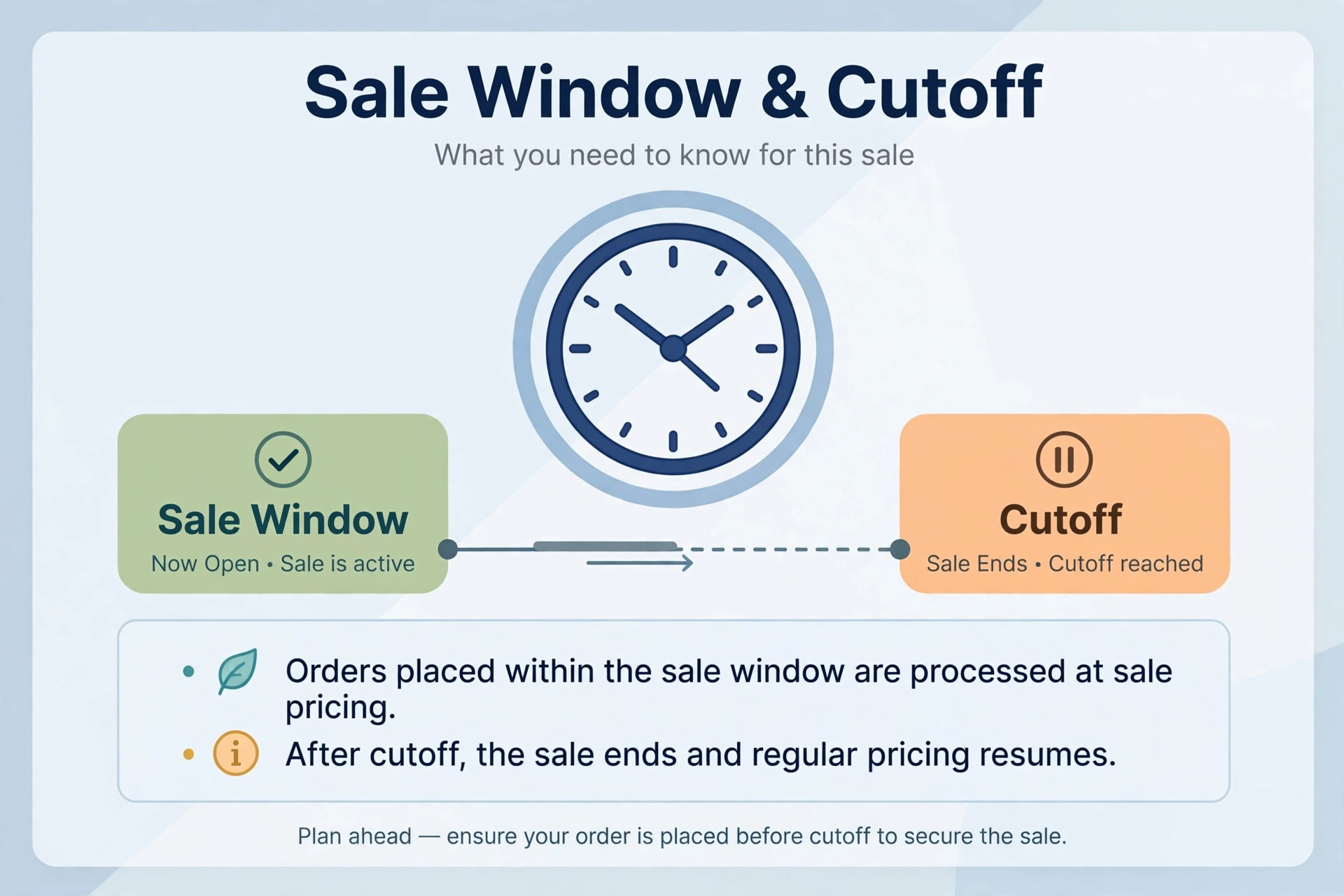
Before each round, the organisers must finalise the list of all tickets sold, because the round cannot fairly proceed while sales are still open. Ticket sales therefore close a short time before the round begins. This cutoff is strict and mechanical. The counter’s terminal stops issuing tickets for that round, and no seller can override it.
The practical consequence is that you should treat the cutoff as the real deadline, not the round time. If the first round is expected mid afternoon, sales may close well before that. Regular players learn their local counter’s rhythm and arrive with time to spare. New players should ask the seller during their first visit what time sales close for each round, and then build a habit of arriving at least thirty minutes earlier.
Between rounds there is a second short sale window for the second round, which closes before the SR draw. If you only bought a first round ticket and want to play the second round too, this window is your opportunity. The full teer result list shows how the two rounds sequence through the day.
Online Ticket Myths Versus Counter Reality
The mechanics of teer make online ticket sales impossible under the current system, and understanding why helps you dismiss scams instantly. Every genuine ticket is printed at a licensed counter terminal and recorded in the organiser’s sales list before the cutoff. A ticket bought online could never enter that closed sales list, so it could never be valid.
Scam websites exploit the teer ticket price by inventing fake offers: discounted bulk tickets, membership rates, or agent prices lower than counter rates. These offers are meaningless because the product does not exist. Some scammers even display fabricated winning certificates to build trust. None of it is real.
The rule is absolute: if you did not receive a printed ticket from a licensed counter in person, you do not hold a teer ticket. No screenshot, no confirmation message and no PDF can substitute for it. Genuine play requires your physical presence at a counter during sale hours, and that requirement is actually your best protection.
For independent background on how the game is structured, see the how lotteries are regulated in India on Wikipedia and official information via the Meghalaya government portal.
Teer Ticket Price – Frequently Asked Questions
How is the teer ticket price actually set?
The denominations are set within the regulated system that governs the game, and they are uniform across all licensed counters. Standard options are Rs 10, Rs 20, Rs 50 and Rs 100. No counter may charge more than the printed denomination.
If I play both rounds, do I pay double?
Not necessarily. A single both rounds ticket covers FR and SR for one payment of the denomination. You only pay double if you buy two separate single round tickets, which some players do to play different numbers in each round.
What is the cheapest way to play every day?
One Rs 10 ticket per day in a single session costs Rs 10 daily. Over a typical month of playing days that totals a few hundred rupees, making it one of the most affordable lottery formats anywhere.
Does buying more tickets improve my chances proportionally?
Each additional ticket with a different number adds one more chance in the draw, but the cost rises by the same proportion. Buying ten tickets costs ten times as much for ten chances. There is no discount or advantage for volume.
Why do sales close before the round instead of staying open?
The organisers must finalise the complete sales list before the round begins so the draw is conducted on a closed, verifiable set of tickets. This cutoff is a fairness measure, not an inconvenience.
Can ticket prices differ between Shillong, Juwai and Khanapara?
No. The teer ticket price structure is uniform across all markets and sessions. Identical denominations, identical rules, identical printed tickets.
What should I do if a seller asks for more than the printed price?
Do not buy from that seller. Report the counter to the organising body if you can, and purchase from a different licensed counter. Overcharging is a clear sign of an illegitimate operation.
Conclusion
Viewed through the mechanics, the teer ticket price is a small fixed unit inside a larger system of rounds, sessions and personal choices. The unit never changes, but your total spend is shaped by how many rounds you cover, how many sessions you play and how many tickets you buy. Master those three variables and you control your cost completely. Set a monthly budget, split it into calm daily allowances, buy only at licensed counters before the cutoff, and keep every printed ticket safe. The game has endured for generations because its rules are simple and its prices are honest. Play within your means, check the declared FR and SR numbers after each session, and keep it enjoyable. When the price system is this transparent, the only real skill involved is managing your own budget wisely, and that is a skill worth developing far beyond the counter.