
The jowai ladrymbai teer result is the daily published outcome of the archery based teer game held in the Jaintia Hills region of Meghalaya. While most of India knows teer through the famous Shillong draw, the towns of Jowai and Ladrymbai run their own licensed sessions, with first round and second round numbers declared every working day. This regional guide explains where the game is played, how the two rounds work, the typical daily schedule, how to read the result correctly, where to check it online, and what every player should know about tickets, legality, and responsible play.
Jowai and Ladrymbai: The Region Behind the Jowai Ladrymbai Teer Result
To understand this game, it helps to know the place it comes from. Jowai is a hill town in Meghalaya and the district headquarters of West Jaintia Hills. It sits on a high plateau, roughly sixty kilometres from Shillong by road, and it is the cultural and administrative centre of the Pnar (Jaintia) community. Ladrymbai lies further east in East Jaintia Hills district, along the busy national highway corridor that connects the hills with the plains of Assam. The area around Ladrymbai is known for coal mining, limestone quarries, and trading towns that never quite sleep.
Archery is woven into everyday life here. Traditional bowmanship is not a museum piece in the Jaintia Hills; it is a living sport practised by skilled archers who train for years with simple bamboo bows. Festivals, community gatherings, and friendly contests keep the tradition visible all year round. Teer grew directly out of this culture. Licensed bookmaker associations organise betting around the archery sessions, and the Government of Meghalaya regulates and taxes the activity as a legal lottery. For readers who want background on the town itself, the Jowai article on Wikipedia gives a useful overview of its geography and history.
Because both Jowai and Ladrymbai host organised archery sessions, players across the Jaintia Hills can take part in a genuinely local game. The jowai ladrymbai teer result is the published outcome of those sessions. It is a separate market from Shillong teer and Juwai teer, with its own archers, its own counters, and its own numbers. A ticket bought on the Jowai Ladrymbai game settles only against the Jowai Ladrymbai numbers, never against another market’s draw. That regional identity is the single most important thing to grasp before you read any result.
Why the two names are combined
You will see the game written as “Jowai teer,” as “Ladrymbai teer,” and most often as the combined “Jowai Ladrymbai teer.” In practice the combined name describes the teer activity of the Jaintia Hills belt rather than two fully independent games running side by side. Result listings therefore publish one jowai ladrymbai teer result for the day, with a first round and a second round figure, in exactly the format used at Shillong and Juwai. When you meet the shortened names in everyday speech, they almost always refer to this same regional session.
How the Jowai Ladrymbai Teer Result Is Produced
Every teer result in Meghalaya comes from a real archery contest, and the Jaintia Hills game is no exception. Understanding the contest is the key to understanding the numbers, because the winning figure is derived from what actually happens on the ground.
The archery session
On a game day, a group of archers gathers at the designated teer ground in or near Jowai or Ladrymbai. A target is set up at the standard distance, and the archers shoot a fixed number of arrows within a timed session. Officials supervise the shooting, count the arrows that strike the target, and record the total. Because the archers are human athletes, the total varies from day to day, and that natural variation is what makes the game a genuine contest of chance built on real skill.
Licensed ticket counters in the towns sell tickets before the session begins. Each ticket carries a two digit prediction from 00 to 99, the round it applies to, and the stake amount. Counter sales close before the archers start shooting, so nobody can buy a ticket after the contest is under way.
First round (FR) and second round (SR)
A full game day has two rounds. The first round, always abbreviated FR, is the main archery session. The second round, abbreviated SR, is a shorter follow up session held later the same day. Each round produces its own independent result. A ticket bought for the first round settles against the FR number only; a ticket bought for the second round settles against the SR number only. Many regulars play both rounds, but the two are scored separately and the numbers are almost never the same.
From arrow count to winning number
Here is the simple arithmetic behind every result. Officials take the total number of arrows that hit the target in a round and use the last two digits of that total as the winning number. If the counted hits end in a particular two digit figure, that figure is the declared result for the round. This method is identical across Shillong, Juwai, Khanapara, and the Jowai Ladrymbai game, which is why every result card in Meghalaya looks the same: one two digit number for FR and one two digit number for SR.
Who organises the game
The session is organised locally by the archery association or bookmakers’ body responsible for the Jowai and Ladrymbai grounds, operating under the regulatory framework of the Government of Meghalaya. Teer is a legal lottery in the state, taxed under its amusement and betting rules, and licensed counters are the only legitimate place to buy a ticket. No official teer ticket is sold through websites or mobile apps, so treat any site claiming to sell online teer tickets as a scam. The official Meghalaya government portal is the authoritative source for how the state’s lotteries and gaming regulations are framed.
Jowai Ladrymbai Teer Result Timings and the Daily Schedule
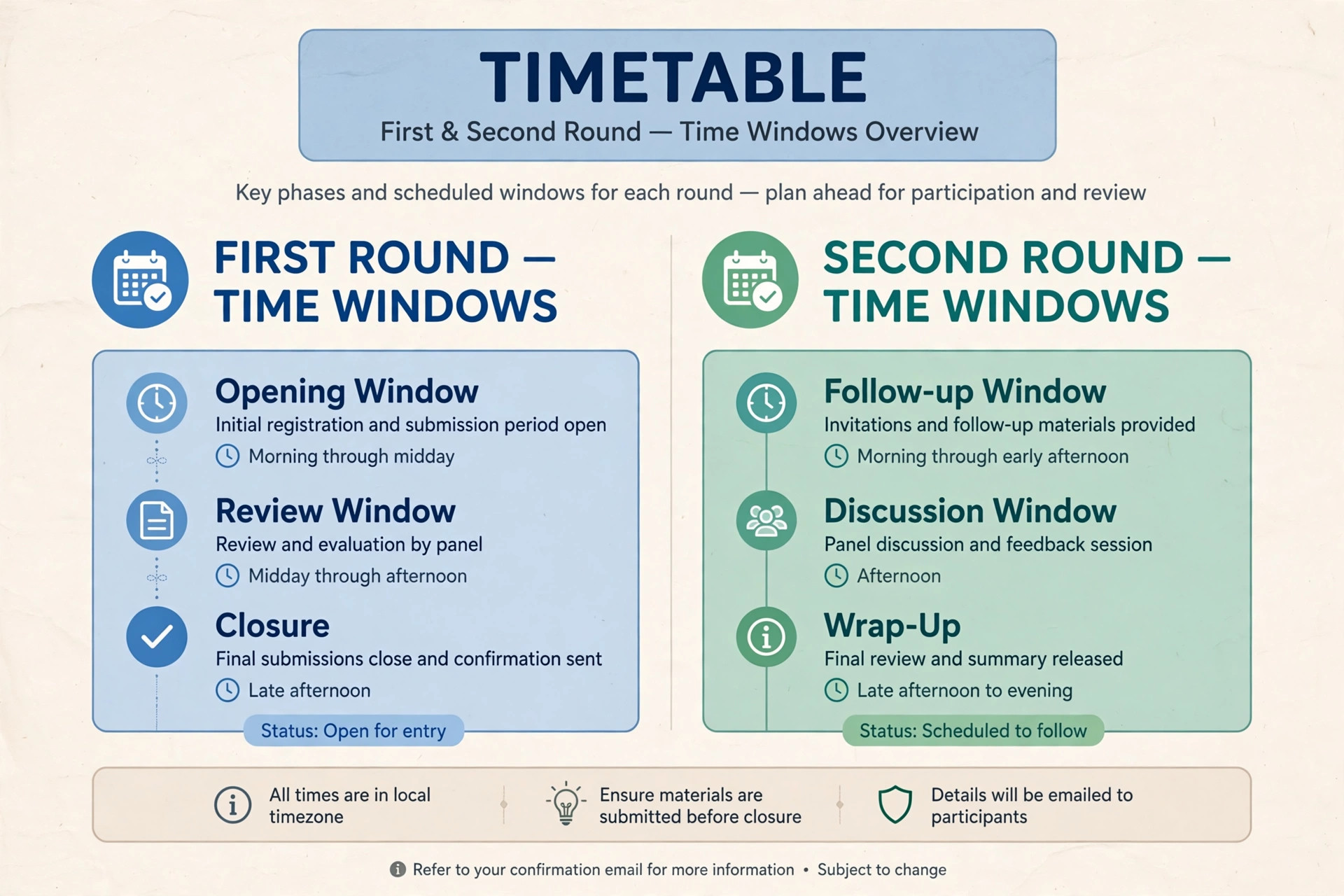
The Jowai Ladrymbai session follows the classic afternoon pattern of Meghalaya teer. Ticket counters open in the morning and sell through the early afternoon. Counter sales for the first round close, the archers shoot the FR session, and the first round result is declared. After a break, the second round session takes place and the SR result follows. The whole game day therefore unfolds across the afternoon, which is why players in the Jaintia Hills check results in the late afternoon and evening rather than the morning.
Exact declaration times can shift from day to day. Weather on the ground, the pace of the shooting, and administrative formalities at the counting table all affect when the number is announced. Treat any schedule you see as a typical window rather than a promise, and rely on the day’s actual declaration. If a result seems late, do not assume a number you saw elsewhere; check a trusted listing again after some time, because the declared figure is the only figure that counts.
Sundays and public holidays
Like the other Meghalaya markets, the Jowai Ladrymbai game normally pauses on Sundays and on major public holidays, when no archery session is held and no result is declared. If you check on a Sunday and find no new numbers, that is expected, not a technical fault. Game days are generally Monday through Saturday, but local announcements can change the calendar, so the day’s listing is always the final word.
How to Read the Jowai Ladrymbai Teer Result Card
A result card for this market is refreshingly simple, but newcomers misread it often enough that a careful walkthrough is worthwhile.
The two columns: FR and SR
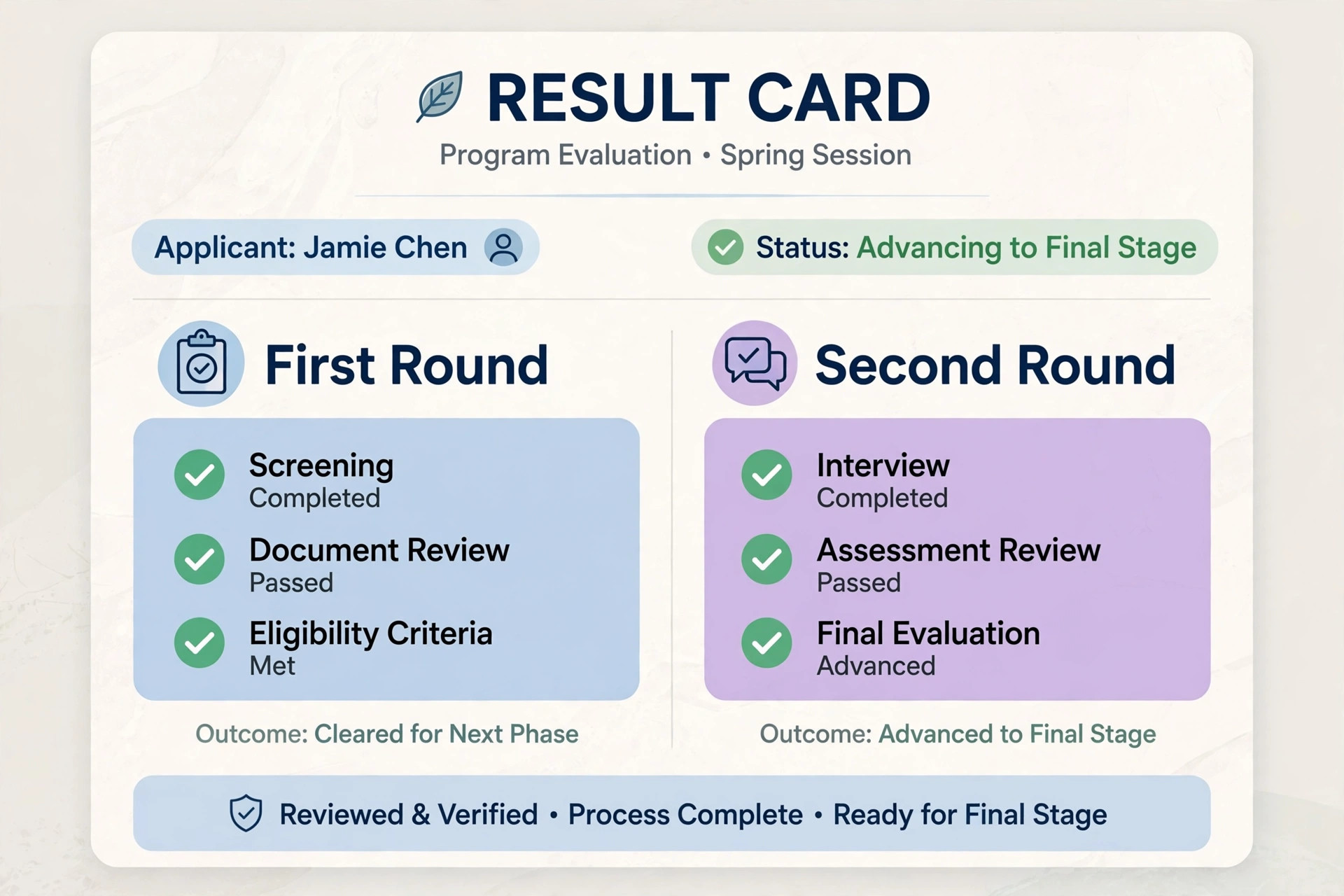
Every daily listing shows two figures side by side or one above the other: the first round number and the second round number. Labels vary slightly between listing sites, but FR always means the first archery session of the day and SR always means the second. Match your ticket against the correct column. A first round ticket that matches the SR number does not win, and a second round ticket that matches the FR number does not win either. This is the most common and most expensive reading mistake, and it is entirely avoidable.
The number format
Each result is a two digit number from 00 to 99. Both digits matter, including a leading zero, so “07” and “70” are different numbers. When a listing shows a placeholder such as “-” it means the result has not been declared yet, not that the number is zero. On this page, any sample figure is shown only as an example of the format, for instance FR: – , and is not a real result. Real results come only from the day’s official declaration.
Date discipline
Always check the date on the result you are reading. Because the format is identical every day, it is easy to glance at yesterday’s card and think it is today’s. Good listing pages date every row clearly. If the date on the card does not match today, you are looking at history, not at the number your ticket settles against.
Where to Check the Jowai Ladrymbai Teer Result Online
Most players now check results on their phones rather than waiting near the ground. A few habits will keep you accurate.
First, use a result site that updates daily and clearly labels the market, the rounds, and the date. The All Teer homepage carries the day’s headline results across markets, and the dedicated Jowai Ladrymbai teer result page on this site keeps this market’s FR and SR figures together with their dates. For a longer view, the teer result list archive lets you browse previous days, which is useful for confirming what yesterday’s numbers were before you compare.
Second, cross check when something looks odd. If one page shows a figure that no other listing carries, wait for confirmation rather than acting on it. Declared results converge quickly across reputable listings, and a lone outlier is usually a typo or a stale page.
Third, be wary of pages that mix markets. Some low quality sites stack Shillong, Juwai, and Jowai figures together without clear labels. The Shillong teer result page and the Juwai teer result page on this site keep each market in its own clearly labelled section, which is the standard you should expect everywhere.
Jowai Ladrymbai vs Shillong, Juwai and Khanapara: Regional Differences
All Meghalaya teer games share the same skeleton: licensed archery, two rounds, last two digits of the hit count. The differences are regional, and they matter for players who follow more than one market.
The Shillong game is the oldest and largest, played at the Polo Ground with the biggest crowds and the most counters. Juwai, in West Jaintia Hills’ neighbouring district, runs its own well established session with morning and day variants that Shillong does not have. Khanapara sits on the Assam border and serves the Guwahati side of the market. The Jowai Ladrymbai game is the Jaintia Hills’ own afternoon session, smaller in scale than Shillong but fully licensed and fully separate.
What does “separate” mean in practice? Each market has its own archers shooting at its own ground at its own time, so each produces its own independent numbers. A result declared at Jowai has no mathematical relationship to the result declared at Shillong on the same day. Tickets are market specific: a Jowai Ladrymbai ticket cannot win on a Shillong number. Players who enjoy several markets simply keep separate tickets and check each market’s own listing.
The regional flavour also shows in the schedule. Shillong and Juwai both run morning sessions aimed at early players, while the Jowai Ladrymbai game is an afternoon affair. If you like checking results with your evening tea rather than your morning routine, the Jaintia Hills timing fits naturally into the day.
Tickets, Counters and the Legal Framework
Teer is a legal lottery in Meghalaya for adults aged 18 and above, organised under state regulation with licensed sale counters. Understanding the ticket side of the game protects you from the most common scams.
Buying a ticket
Tickets are sold at licensed counters in and around Jowai and Ladrymbai during the sale window before each round. You choose a two digit number from 00 to 99, state which round the ticket is for, and pay the stake. The counter issues a physical ticket showing your number, the round, and the date. Keep the ticket safe; it is your proof of play and the document you need if you win. Counter staff can explain the round choice if you are unsure, and there is no shame in asking.
What a ticket costs and pays
Stakes are small by design, which is part of the game’s broad appeal. Prize multiples are set by the organising body and printed or displayed at the counter. Because prize structures can be revised, the counter’s current display is the authoritative source, not something you read online months ago. Never accept a ticket whose round or date is unclear, and never buy from an unlicensed seller on the street, however convincing the offer sounds.
The online ticket scam warning
This deserves emphasis because it targets exactly the audience reading result guides online. No official teer ticket is sold through any website, app, WhatsApp number, or social media page. Every site or message offering to sell you teer tickets online, collect payment by UPI, or “book” your number in advance is a fraud. Result websites exist to publish declared numbers and explain the game; they do not sell tickets, and you should never send money to anyone claiming otherwise.
Legality beyond Meghalaya
Teer is legal in Meghalaya under state law. In other Indian states, the legal position of lotteries varies, and some states prohibit them. If you are reading from outside Meghalaya, you are responsible for knowing your own state’s rules. This guide explains the game as it operates in Meghalaya; it is not legal advice for any other jurisdiction.
Responsible Play: 18 Plus Only
Teer is gambling, and honest guides say so plainly. Participation is restricted to adults aged 18 and above, and counters are required to enforce that. If you choose to play, set a strict budget before you buy your first ticket, treat the stake as the price of entertainment rather than an investment, and never chase losses by buying more tickets after a losing day. The numbers come from arrows hitting a target; no pattern, tip, or “lucky” system changes that. Anyone selling you guaranteed numbers or sure shot predictions is running a scam, not a service. If playing stops being fun, stop playing, and seek help from a gambling support helpline in your region.
Frequently Asked Questions About the Jowai Ladrymbai Teer Result
What is the jowai ladrymbai teer result?
It is the daily published outcome of the licensed archery based teer game held in the Jowai and Ladrymbai region of the Jaintia Hills in Meghalaya. Each game day produces two numbers, one for the first round (FR) and one for the second round (SR), derived from the last two digits of the arrows counted as hitting the target in each round.
When is the Jowai Ladrymbai teer result declared?
The game follows an afternoon schedule. The first round session is held and its result declared in the afternoon, followed later by the second round session and its result. Exact times vary from day to day depending on conditions at the ground, so check a daily listing rather than relying on a fixed clock time. The game normally pauses on Sundays and major public holidays.
Are Jowai teer and Ladrymbai teer the same game?
In everyday use, yes. The combined name describes the regional teer session of the Jaintia Hills belt, and result listings publish a single daily result with FR and SR figures under the combined name. The shortened forms “Jowai teer result” and “Ladrymbai teer result” almost always refer to this same session.
How is the winning number calculated?
Officials count the total number of arrows that strike the target during a round’s archery session. The last two digits of that total become the winning number for the round. This is the same method used at Shillong, Juwai, and Khanapara, which is why every Meghalaya teer result is a two digit number from 00 to 99.
Can I use a Jowai Ladrymbai ticket against the Shillong result?
No. Each market is independent, with its own archers, ground, and numbers. A ticket bought on the Jowai Ladrymbai game settles only against the Jowai Ladrymbai FR or SR number for the round printed on the ticket. It cannot win on a Shillong, Juwai, or Khanapara number.
Can I buy Jowai Ladrymbai teer tickets online?
No. Official teer tickets are sold only at licensed physical counters in Meghalaya. Any website, app, or social media account offering to sell teer tickets online or collect payment digitally is a scam. Never send money to such sellers.
Is the Jowai Ladrymbai teer legal?
Yes, within Meghalaya. Teer is a legal, state regulated lottery in Meghalaya, open to adults aged 18 and above, with licensed counters and taxation under state rules. Lottery laws differ across Indian states, so readers outside Meghalaya should check their own state’s position. Play responsibly and within your means.
Conclusion
The jowai ladrymbai teer result is the Jaintia Hills’ own chapter in Meghalaya’s archery lottery tradition: a licensed afternoon game with two daily rounds, a simple two digit format, and a result that comes from real arrows hitting a real target. Check the FR and SR figures on a clearly labelled daily listing, mind the date, keep this market separate from Shillong and Juwai in your records, buy tickets only at licensed counters if you play at all, and treat the game as entertainment for adults. Follow those habits and the Jowai Ladrymbai game stays exactly what it should be: a regional sporting lottery you can understand at a glance.