

The khanapara teer previous result is the record of past winning numbers declared for the Khanapara teer game, and it is one of the most searched teer references in Assam and Meghalaya. Every day, thousands of players and followers look back at yesterday’s numbers, last week’s numbers, or a full khanapara teer result list to verify a ticket, settle a friendly discussion, or simply understand how the game has behaved over time. Unlike today’s live result, which disappears from the front page within a day, previous results live on in archives and charts that keep the game’s history organized and easy to check.
This guide explains everything about the khanapara teer previous result in plain language. You will learn what previous results are, where to find a reliable khanapara teer result list, how to read a khanapara teer chart without confusion, what FR and SR mean, which sessions are covered, and the common mistakes people make when checking old numbers. You will also find practical answers about how far back archives go, whether old results can help anyone predict future numbers, and the legal status of the game. Every example uses the placeholder “-” instead of real numbers, because this is an informational archive guide and no real or example winning numbers are published here.

What Is the Khanapara Teer Previous Result
The khanapara teer previous result is simply any Khanapara teer number that was declared on an earlier date. The word “previous” can mean yesterday, last week, or any date further back. When someone searches for a previous khanapara result, they are usually looking for the first round (FR) and second round (SR) numbers from a specific past date, often to compare against a ticket they bought or to complete their own private record book.
Khanapara is a locality on the outskirts of Guwahati, Assam, right at the border with Meghalaya. The teer game played there follows the same archery based format as the better known Shillong teer game: a group of archers shoots arrows at a target, and the last two digits of the total number of arrows that hit the target become the winning number for that round. If you want background on the sport behind the game, the archery article on Wikipedia explains how the discipline works.
Which Sessions Are Covered in the Archive
A full khanapara teer previous result archive covers more than one session. Most archives track the day session, which is the main Khanapara game, and many also track the morning session where it is played. Each session has two rounds, FR and SR, so one complete day can produce up to four numbers across both sessions. When you open a khanapara teer result list, you will usually see the date first, then the morning session FR and SR numbers (if available for that date), then the day session FR and SR numbers. Understanding this layout saves you from mixing up a morning number with a day number, which is one of the most frequent mistakes beginners make.
Why People Look Up Old Khanapara Teer Results
People check a khanapara old teer result for a handful of practical reasons, and none of them require any special expertise. Knowing the reasons helps you use archives the way they are meant to be used.
Verifying a Ticket or a Claim
The most common reason is ticket verification. A player who bought a ticket for a particular date and session wants to confirm the declared FR and SR numbers before deciding whether the ticket won anything. Because counters close and the day moves on, the only way to verify later is through a dated archive. Always match three things: the exact date on your ticket, the session (morning or day), and the round (FR or SR). If any of the three do not line up, you may be reading the wrong row of the chart.
Keeping Personal Records
Many followers keep their own notebooks or spreadsheets of past numbers. A khanapara teer chart makes this easier because the numbers are already arranged by date. Some people maintain these records for years, treating them as a personal history of the game rather than as a tool for any decision. If you keep records, write down the source and the date you copied each number, so you can trace any entry back if something looks inconsistent later.
Research and Curiosity
Students, writers, and researchers sometimes study teer as a cultural and economic phenomenon of Northeast India. For them, the khanapara teer previous result archive is a dataset that shows how often the game runs, how the sessions are organized, and how the results are published. If you are studying the game rather than playing it, archives give you the raw material without any need to participate.
A Note on Predictions
Some visitors hope that studying old numbers will reveal a pattern that predicts the next result. It is important to be direct here: each teer round is an independent event. Past numbers do not influence future numbers, and no chart, list, or archive can tell you what will be declared next. This article contains no common numbers, hit numbers, target numbers, house numbers, or ending numbers, and no betting advice of any kind. Use previous results for verification and record keeping only. Teer is a legal lottery in Meghalaya, open to adults aged 18 and above, and it should always be approached responsibly and within your means.
Where to Find a Reliable Khanapara Teer Result List
Not every website that claims to publish a khanapara teer result list is equally reliable. A good archive has dates in the right order, clearly labeled FR and SR columns, separate sections for morning and day sessions, and no invented numbers. Here is how to find and judge a source.
The Fastest Route: a Dedicated Result Page
The simplest approach is to use a dedicated result website that maintains a proper archive. On this site, the Khanapara teer result page carries the current day’s numbers, and the teer result list archive keeps older records organized by date so you can scroll back to any previous day. Bookmark both pages if you check results regularly. You can also return to the All Teer homepage for the latest updates across every market before diving into the archives.
The Morning Session Page
If your ticket is for the morning game, do not look at the day session archive by mistake. Use the Khanapara morning teer result page, which is dedicated to the morning session’s FR and SR numbers. Mixing sessions is the single biggest cause of “my number does not match” confusion, so always confirm which session your ticket belongs to first.
Official Counters and Local Sources
In and around Khanapara, licensed teer counters display the declared numbers on boards shortly after each round. If you are nearby, the counter board is the most direct source for the day’s result. For older dates, counter staff will not usually have records, which is exactly why online archives exist. Treat the counter board as the source of truth for today and the archive as the source of truth for every earlier date.
How to Judge an Archive’s Quality
Before you trust a khanapara teer result list, run through this quick checklist:
- Dates are in proper calendar order with no gaps explained as holidays or off days.
- FR and SR are labeled separately for each session.
- Morning and day sessions are separated, not blended into one row.
- The site states when numbers are updated, for example “updated after each round declaration”.
- No page claims to show future or “confirmed” numbers before declaration time.
If an archive fails two or more of these checks, find a better one. A sloppy archive is worse than no archive because it can make you misread a date or a round.
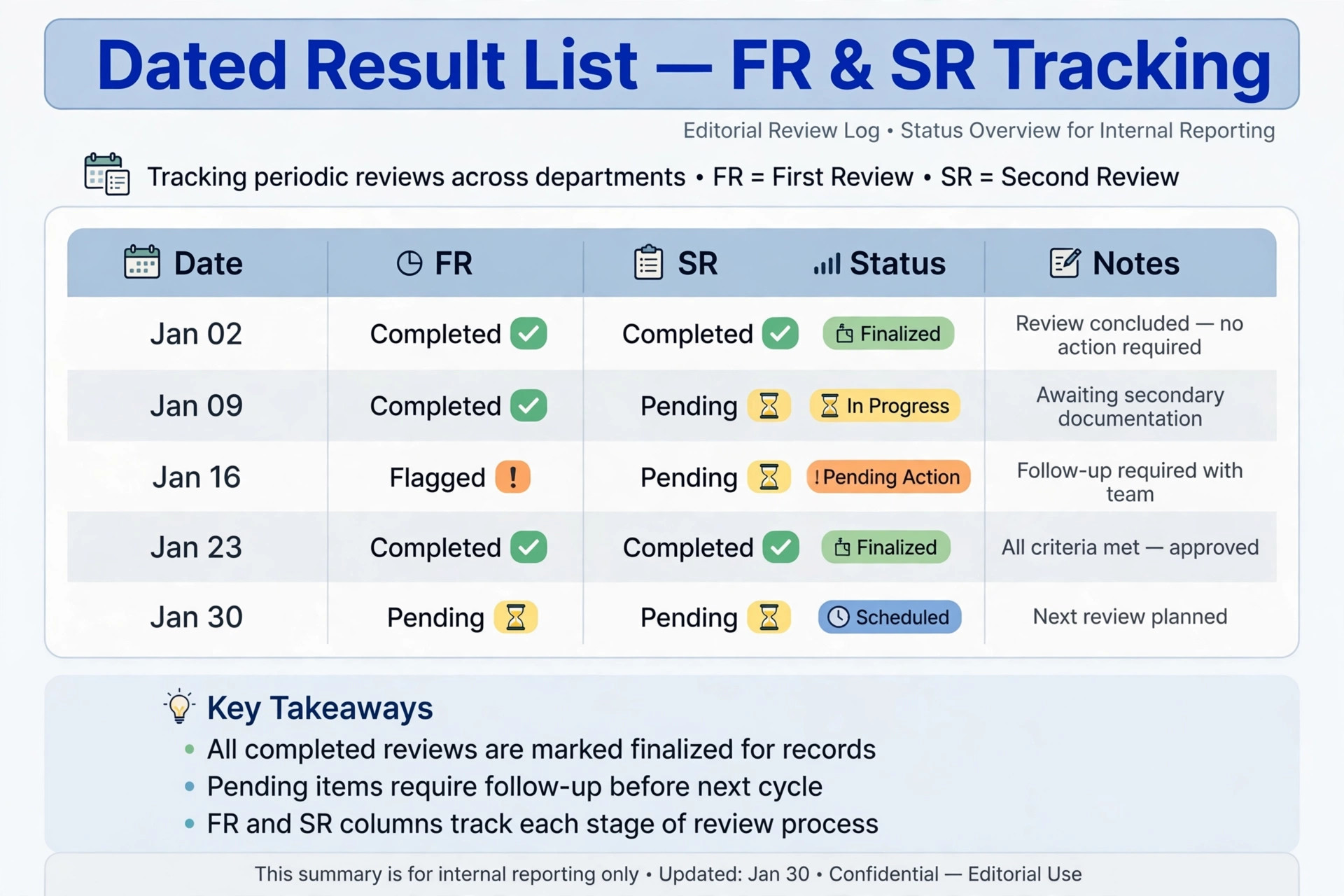
How to Read a Khanapara Teer Chart
A khanapara teer chart is just a table of previous results, but its compact layout confuses first time readers. Once you know the anatomy of the table, reading it becomes second nature.
The Anatomy of the Table
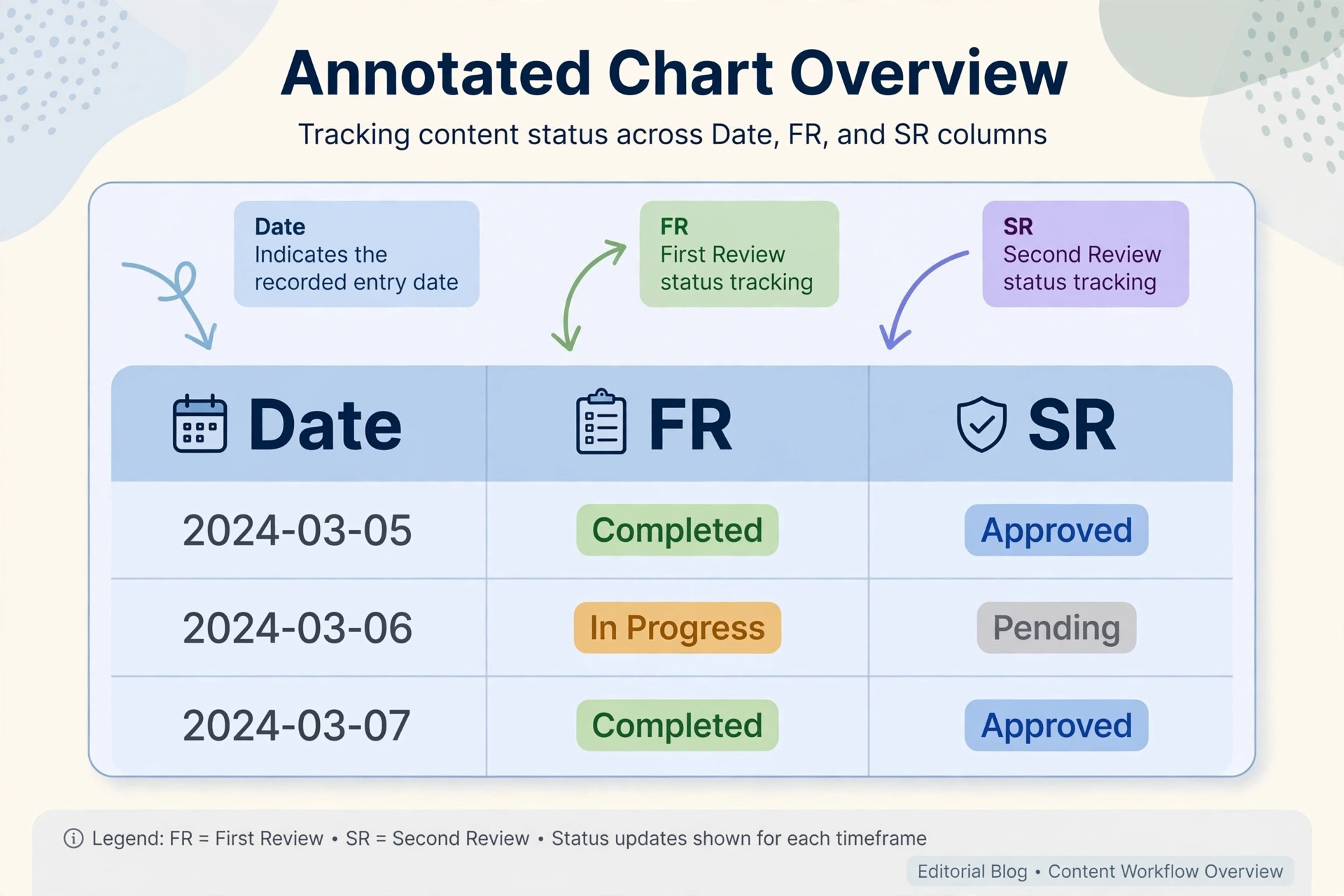
Every well built chart has the same skeleton. The leftmost column shows the date. Next come the session blocks: morning session with its FR and SR columns, then the day session with its FR and SR columns. Each cell holds a two digit number, which is the declared result for that date, session, and round. A row that looks like “Date – Morning FR: -, Morning SR: -, Day FR: -, Day SR: -” tells you the structure; the dashes stand in for real numbers and are not results themselves. (Example only, not a real result.)
Reading One Row Correctly
Pick the date you care about and read across that single row. Say your ticket says “Khanapara, day session, FR” for a particular date. Find that date in the leftmost column, move across to the day session block, and read the FR column. That cell is your number. Do not read the morning FR column by accident, and do not read the SR column when your ticket says FR. It sounds obvious, but on a phone screen the columns sit close together, so slow down and read the column headers every time.
Monthly and Weekly Chart Views
Some archives offer monthly views that compress thirty days into one table, and weekly views that show seven. Monthly views are useful for spotting how the archive is maintained (consistent updates, labeled holidays), while weekly views are easier to read on a small screen. Neither view changes the underlying data; they are just different zoom levels on the same khanapara teer result list.
Dates With No Result
You will occasionally see a blank cell or a dash in place of a number. This usually means the game was not held that day, for example on a public holiday or a day the counters remained closed. A blank is not a zero and not a missing number; it means there was no declaration for that slot. Good archives add a small note like “holiday” or “no game” so you are not left guessing.
Khanapara Teer Previous Result Timings and Rounds
To understand previous results, you need to know when results are declared, because the archive is organized around those declaration times. Khanapara teer runs in sessions, and each session has two rounds.
The Day Session
The main Khanapara day session is the one most archives cover in full. The first round (FR) result is usually declared in the afternoon, around 3:45 PM IST, and the second round (SR) result follows later, usually around 4:45 PM IST. These are the usual timings; the exact declaration can shift by a few minutes depending on how the round proceeds on the ground. Archives record the declared numbers, not the declaration times, but knowing the times helps you understand why the FR number for a date always appears before the SR number.
The Morning Session
Where the morning session is played, it follows the same two round structure earlier in the day: a morning FR followed by a morning SR. Morning archives are thinner than day archives because fewer sources track the morning game, so if you need a morning previous result, use a page that explicitly covers the morning session rather than assuming the day archive includes it.
Why Timings Matter for Archives
Declaration times explain the rhythm you see in a khanapara teer chart. Numbers appear in the archive in the order they were declared: morning FR, morning SR, day FR, day SR. If you ever see an archive where the SR number for a date appears but the FR number is blank, treat it as a data entry error or an incomplete update and check another source before relying on it.

Khanapara Teer History and How the Archive Grew
The khanapara teer history is tied to the wider history of teer in the region. Teer began as an organized archery based lottery in Meghalaya decades ago, operating under state regulation. The game at Khanapara developed as the Guwahati side of the border embraced the same format, with licensed counters serving players from both Assam and Meghalaya. The state government portal at meghalaya.gov.in is the authoritative place to read about the state’s administration of lotteries and related regulation.
In the early years, results traveled by word of mouth and counter boards. A player who missed the board had no way to check yesterday’s number. As mobile phones and the internet spread through the Northeast, result websites began publishing daily numbers, and the khanapara teer previous result archive was born. What started as a single “yesterday’s result” line grew into full date wise lists, then into monthly charts, then into searchable archives covering months and years.
This growth is why the quality of archives varies. Older entries were sometimes reconstructed from memory or from incomplete records, so a result from several years ago on a casual blog is less reliable than a result from last week on a maintained archive. For anything important, such as verifying a ticket, prefer recent, well maintained sources and cross check between two archives when the stakes are high.
Common Mistakes When Checking Previous Khanapara Results
Even experienced followers make these errors. Run through the list before you trust what you read.
Mixing Up the Date
Teer results are declared in Indian Standard Time, and archives are dated accordingly. If you check a result late at night, make sure you are looking at the correct calendar date and not the next day’s blank row. This is the most common mistake of all, and it is fixed by reading the date column twice.
Confusing Morning and Day Sessions
A morning FR number and a day FR number for the same date are different declarations. Always confirm the session on your ticket before you open the chart. If the archive blends sessions into one row without clear labels, switch to a source that separates them.
Reading FR as SR (and Vice Versa)
Within one session, FR and SR are separate rounds with separate numbers. Your ticket states the round. Match it exactly. On narrow phone screens, use landscape mode or zoom in so the column headers stay readable.
Trusting Unlabeled Screenshots
Result numbers travel fast on messaging apps as screenshots, often cropped so the date and session labels are missing. Never verify a ticket against a cropped screenshot. Open the archive yourself, find the date, session, and round, and read the number in context.
Assuming Old Numbers Predict New Ones
This is worth repeating because it is the costliest mistake. A khanapara teer chart shows what happened, not what will happen. Every round is independent. Anyone selling “guaranteed” numbers based on previous results is selling fiction. Keep archives in their proper role: verification and records, nothing more.
Frequently Asked Questions
What is the khanapara teer previous result?
The khanapara teer previous result is the record of winning numbers declared for the Khanapara teer game on an earlier date. It includes the first round (FR) and second round (SR) numbers for the morning and day sessions, organized by date in archives and charts. People use previous results to verify tickets, keep personal records, and study the game’s history.
Where can I check yesterday’s khanapara teer result?
You can check yesterday’s result in a dated archive such as the teer result list archive on this site, which keeps older Khanapara results organized by date. For the morning session specifically, use the Khanapara morning teer result page. Always confirm the date, session, and round before reading the number.
What do FR and SR mean in the khanapara teer chart?
FR stands for first round and SR stands for second round. Each teer session has two rounds of archery, and each round produces its own winning number: the last two digits of the total arrows hitting the target. A complete khanapara teer result list therefore shows up to four numbers per date when both the morning and day sessions are tracked.
How far back do khanapara teer result archives go?
It depends on the source. Well maintained archives typically keep several months of daily results, and some keep a year or more. Very old entries, going back several years, may be less reliable because early records were not always kept systematically. For ticket verification, recent archives from maintained sources are the safest.
Can khanapara old teer results help predict the next number?
No. Each teer round is an independent event, and past numbers have no influence on future numbers. Charts and archives are useful for verification and record keeping, but they cannot predict results. Avoid anyone who claims to offer common numbers, hit numbers, or guaranteed predictions based on previous results.
Is the khanapara teer game legal?
Teer is a legal, state regulated lottery in Meghalaya, and the Khanapara game operates within that framework at the Assam Meghalaya border. It is open to adults aged 18 and above only. Rules and licensing are administered by the state; you can read more about the state’s governance on meghalaya.gov.in. Always play responsibly and only through licensed counters.
What should I do if an archive shows a blank for a date I need?
A blank usually means the game was not held that day, for example on a public holiday, or that the archive has not updated that entry yet. Check a second archive to confirm, and look for a holiday note on the page. Do not treat a blank as zero or guess a number to fill it.
Conclusion
The khanapara teer previous result is a simple but powerful reference: a date wise record of FR and SR numbers that lets you verify tickets, keep clean records, and understand the game’s history. Use a well maintained khanapara teer result list, separate the morning and day sessions, match the date and round exactly, and treat charts as records of the past rather than clues about the future. With those habits, the archive becomes a reliable tool instead of a source of confusion. For the latest numbers across every market, start at the All Teer homepage, and remember that teer is for adults 18 and above, to be enjoyed responsibly.