
Looking for the shillong teer previous result is one of the most common reasons people visit a teer result website. Maybe you missed the live declaration during the day, maybe you want to double check a figure you heard from someone, or maybe you simply want to browse the shillong teer result list from the past few days. Whatever the reason, knowing how to find and read past results makes the whole experience much smoother. This guide walks you through everything about the shillong teer previous result archive: what it contains, how to check it, how to read a teer result chart, how far back the records go, and the common mistakes people make when looking up old results. By the end, you will know exactly where to look and how to understand what you find.
What Is the Shillong Teer Previous Result
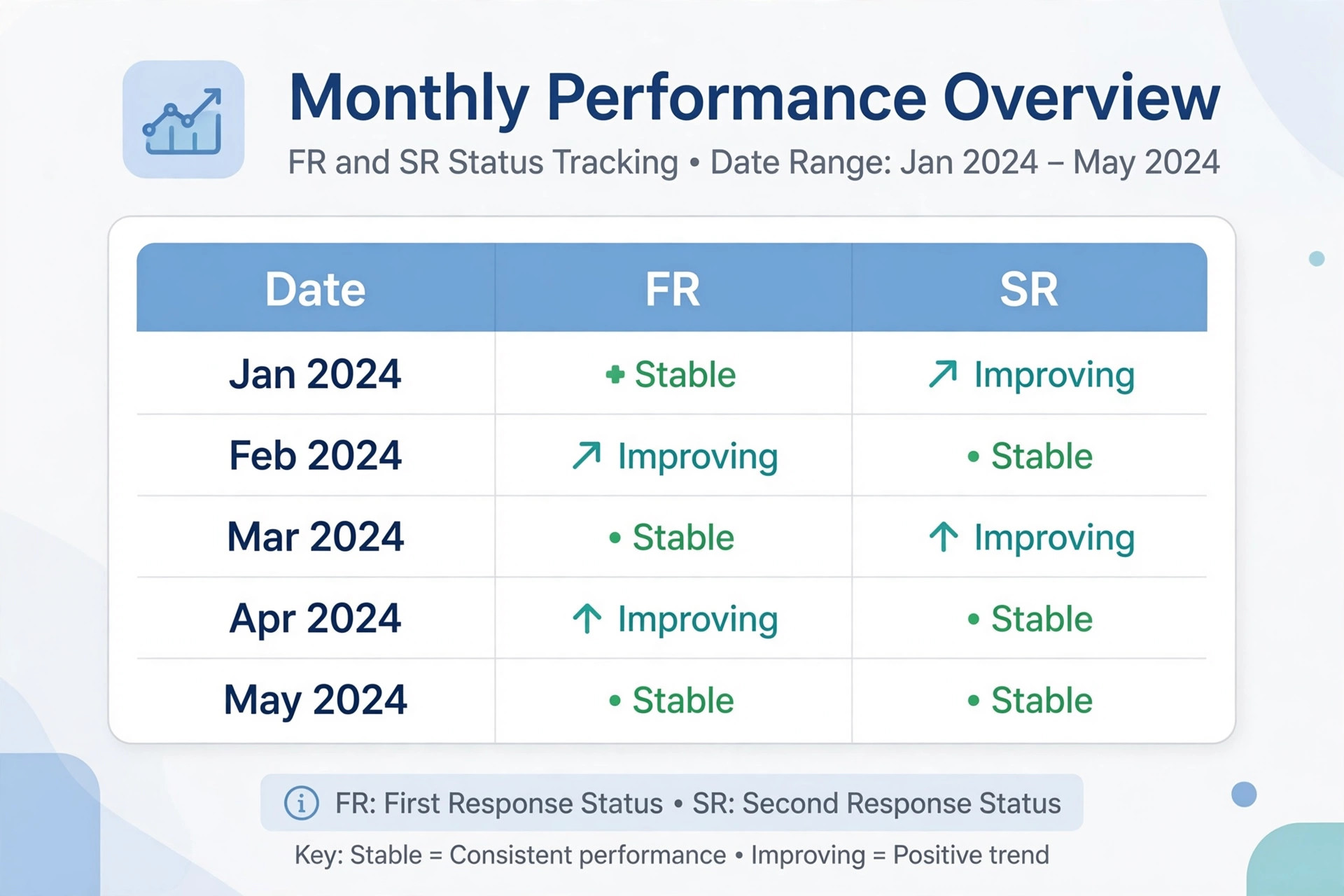
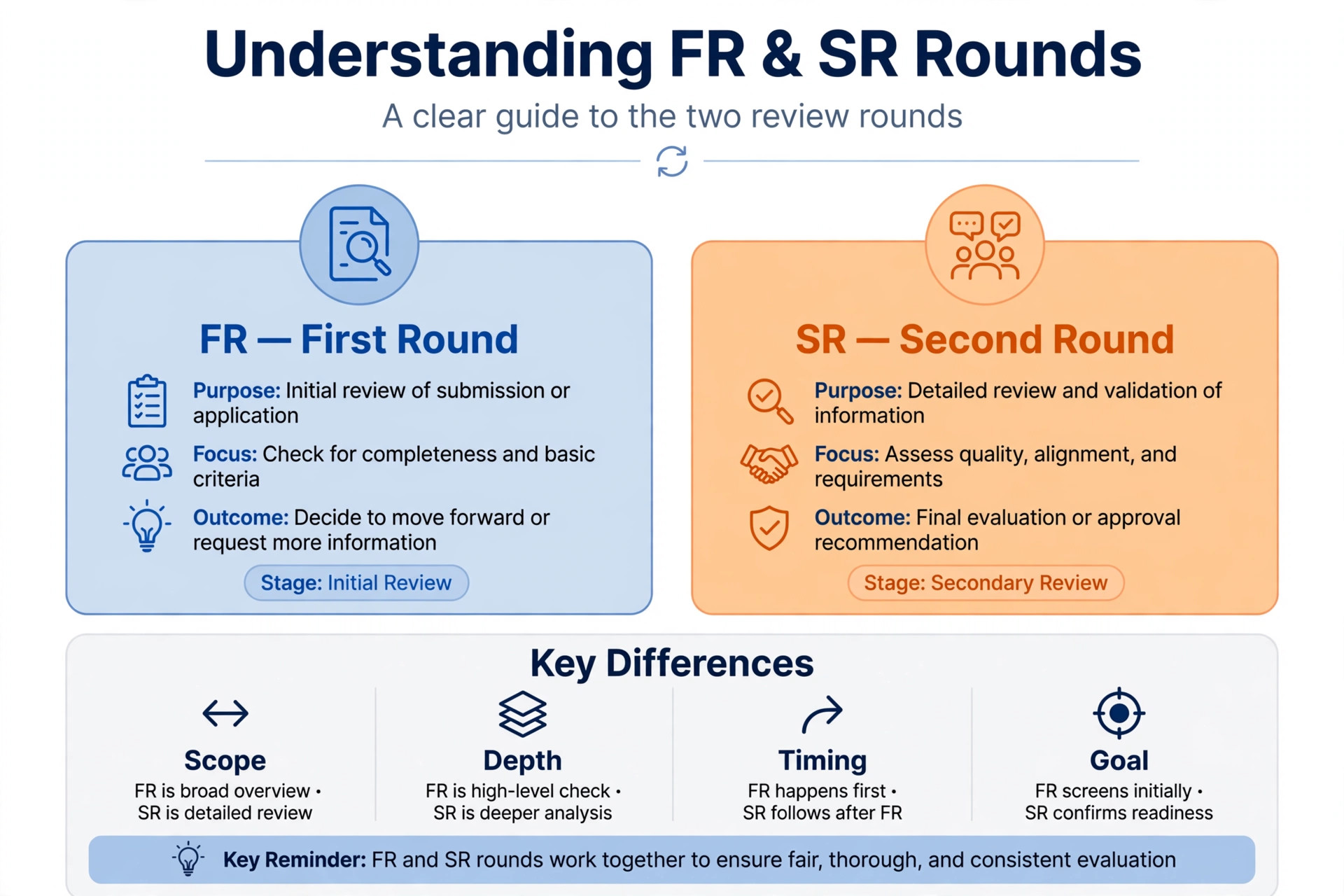
The shillong teer previous result is simply the officially declared result of the Shillong teer game from a day before today. Every day, the Shillong teer game declares two results: one for the first round (FR) and one for the second round (SR). Once a day is over, those two results become part of the previous result record. Websites that publish teer results keep these records in an archive so visitors can look back at them later.
It helps to understand the daily structure first. Shillong teer is based on an archery shooting event held in Shillong, Meghalaya. Archers shoot arrows at a target, and the total number of arrows that hit the target decides the result. The last two digits of that total form the winning figure for the round. This happens twice a day. The first round takes place in the afternoon, and the second round follows in the evening. You can read more about the sport itself on the Archery page on Wikipedia, which explains how target archery works in general.
Each round produces one two digit figure. A result list therefore shows, for every date, an FR figure and an SR figure. When you open a shillong teer previous result page, you will see rows of dates, each with its two figures. Some sites also keep morning session results and night session results in the same archive, so the list may have extra columns. On the All Teer homepage you can see the current day structure, while the archive pages focus on history.
The previous result record is useful in a very practical way. If you played in the morning or afternoon session but could not check the declaration on time, the archive lets you confirm the figure later in the evening or the next day. If someone tells you a result and you are not sure it is correct, the archive gives you a reliable reference to verify it. And if you simply enjoy following the game, browsing the shillong teer old result list is an easy way to stay connected with recent history.
Why Archives Matter More Than Single Day Pages
A single day result page disappears from attention quickly. Tomorrow brings new figures, and yesterday’s page moves down the list. An archive, on the other hand, keeps everything in one place. This is why the teer result chart format is so popular. Instead of hunting through separate daily pages, you open one page and scroll through days, weeks, or even months of results. For anyone who checks results regularly, the archive page quickly becomes the most visited page on a teer website.
Another advantage of archives is consistency. A well kept archive uses the same layout for every date, so once you learn to read one row, you can read them all. There is no need to relearn a new page design every day. That consistency is what makes the shillong teer result list such a dependable reference, and it is why result websites invest effort in keeping their archives tidy and up to date.
How to Check the Shillong Teer Previous Result on All Teer
Checking the shillong teer previous result on this website is straightforward. The site keeps a dedicated result list page where past results are stored in date order. Here is how to find what you need.
Step 1: Open the Result List Page
Start with the Shillong teer result list page. This page is the main archive. It shows recent days of results in a table, with the newest dates at the top. If you are looking for yesterday or the last few days, you will usually find them right there without any searching.
Step 2: Find Your Date
Scan the date column until you reach the day you want. Dates are written clearly so you can match the calendar day you have in mind. Remember that teer results follow the Indian calendar day, and the declaration happens in the afternoon and evening. If you are checking late at night, that same day is still the current result, not the previous one.
Step 3: Read the FR and SR Figures
Once you find your date, look across the row. You will see the first round figure and the second round figure side by side. These are the declared results for that day. If a round shows a dash (-) instead of a figure, it means the result was not declared or not recorded for that session, which sometimes happens on holidays or when a session is cancelled.
Step 4: Cross Check If Needed
If the figure matters to you, for example if you are confirming a ticket, it is good practice to verify it against one more source. The official declaration comes from the archery ground counters, and reputable result websites mirror it. A quick second check protects you from copying a typo. You can also visit the Shillong teer result page for the main market page with the latest updates.
A Quick Checklist Before You Rely on a Figure
Before you act on any previous result, run through this short mental checklist. First, confirm the date matches the day you have in mind. Second, confirm the market is Shillong and not a neighboring game. Third, confirm the session, main afternoon game versus morning or night. Fourth, confirm you are reading the correct round column, FR or SR. These four checks take only a few seconds, and they eliminate nearly every common reading error.
Understanding the Shillong Teer Result List
The shillong teer result list is the table format most archives use. It looks simple, but a few details are worth understanding so you read it correctly every time.
A typical row has three parts: the date, the FR figure, and the SR figure. Some lists add the day of the week next to the date, which helps when you are thinking in terms of “last Monday” rather than a calendar date. Larger archives may group results by month, with a small calendar or month selector at the top of the page so you can jump to an older month without endless scrolling.
The figures themselves are always two digits, from 00 to 99. This comes from the game rule: only the last two digits of the arrow count are used. So if the archers hit the target a certain number of times in a round, the result figure is the last two digits of that count. When you see a previous teer result row with an FR figure and an SR figure, those are the two digit figures from the two rounds of that day. To illustrate the format only, a row might be described as showing FR 38 and SR 71, but that is example only, not a real result, and must never be treated as an actual declared number.
One thing that confuses newcomers is the difference between the afternoon session and the morning or night sessions. The main Shillong teer game is the afternoon and evening one. Shillong also has a morning teer session and a night teer session, which are separate games with their own results. A previous result archive may show all of these, so make sure you are reading the column for the session you actually played. The Shillong morning session page covers the morning game separately if that is the one you follow.
What the Dash Placeholder Means
You will sometimes see a dash (-) where a figure should be. This is the standard placeholder, and it means no result was recorded for that round. The most common reasons are public holidays, when no game is held, and occasional cancellations due to weather or ground conditions. A dash does not mean the result is zero, and it does not mean the website forgot to update. It simply marks an empty round. Never treat a placeholder as a real figure.
Leading Zeros Matter
Teer figures are always shown as two digits, including a leading zero when needed. A figure written as 07 is not the same as 7 in the records, even though they represent the same count ending. When you copy a figure from the archive, keep the leading zero exactly as shown. Ticket counters and result checkers expect the two digit format, and dropping the zero is a small mistake that can cause confusion later.
How Far Back the Shillong Teer Old Result Archive Goes
One of the first questions people ask is how much history they can browse. The honest answer is that it depends on the website. Most teer result websites keep at least the last 30 days of results, because that covers the period most visitors care about. Many keep several months, and some long running sites keep a year or more of shillong teer old result records.
There are practical reasons archives are not infinite. Every extra month of data adds page size, and very old results are rarely requested. But for regular visitors, a few months of history is usually more than enough. If you need a result from a specific week last month, a well kept archive will have it. If you need a result from two years ago, you may need to contact the site or check whether they publish yearly records.
When browsing older months, use any month navigation the page offers instead of scrolling through one giant page. Monthly grouping keeps the page fast and makes it easier to spot the exact date you want. If the site you are using does not have month navigation, you can use your browser find function and type the date to jump straight to it.
It is also worth knowing that result websites refresh their archives daily. Each evening, after the second round is declared, that day’s row is added to the archive. So the archive you see in the morning already includes the previous evening’s final figures. This daily rhythm is what keeps the shillong teer result list reliable as a reference.
What to Do When an Old Date Is Missing
Occasionally you may look for a specific old date and find it missing from the archive. Before assuming the site is incomplete, check whether that date was a Sunday or a public holiday, since no game is held on those days. If it was a normal playing day and the row is still missing, the site may have a gap in its records. In that case, try a second reputable result website for the same date, and prefer sites whose latest rows are fresh, since a stale newest row is a warning sign about the whole archive.
How to Read a Teer Result Chart Step by Step
A teer result chart is just a visual arrangement of the same archive data. Charts often use colors, bold text, or grid lines to make scanning easier. Here is a simple method to read any chart correctly.
First, confirm the chart title. It should clearly say which market it covers, such as Shillong teer, and which session, such as the main afternoon game. Some pages mix multiple markets, so the title is your anchor. If the title does not match the game you played, you are looking at the wrong chart.
Second, locate the date axis. Most charts list dates down the left side, newest first. Find your target date and place your finger or cursor on that row. This small habit prevents the most common error, which is reading the row above or below by accident.
Third, read across to the FR and SR columns. The first round figure comes first, then the second round figure. Say the pair out loud or write it down as “date, FR, SR” so you have a clean record. The following is an example of the format only, not a real result: for a sample date, a row might read FR 38 and SR 71. These figures are invented purely to show the layout, example only, not a real result, and must never be treated as actual declared numbers.
Fourth, check for notes. Some charts add small markers for holidays, delayed declarations, or corrections. A corrected result will usually show the updated figure with a note. If you see any symbol you do not understand, look for a legend at the top or bottom of the chart before assuming anything.
Finally, save or note what you need and move on. Charts are reference tools. Copy the figure carefully if you need it for a ticket check, and double check the date one more time before you rely on it.
Desktop and Mobile Reading Tips
Most people check results on a phone. On small screens, wide charts can squeeze the columns together. If the FR and SR columns look cramped, rotate your phone to landscape mode or zoom in slightly. On a desktop, the full table is usually visible at once, which makes comparing several days side by side much easier. Either way, the reading method is the same: confirm the market, find the date, read across the row.
Another useful mobile habit is to take a screenshot of the row you need, so you have the figure saved even if you lose your connection. Just remember that a screenshot is only as reliable as the moment it was taken. If the archive later corrects a figure, your screenshot will not update, so for anything important, recheck the live page.
Why People Search for Previous Teer Results
People look up the previous teer result for many sensible reasons, and none of them require any kind of prediction or special system.
The most common reason is simply missing the live update. The first round is declared in the afternoon and the second round in the evening. Many players are at work or travelling during those hours. Checking the archive later that night or the next morning is the natural way to catch up.
The second reason is verification. Teer results spread quickly by word of mouth and through messaging groups, and mistakes spread just as quickly. Someone might forward a wrong figure by accident. The archive gives you the declared figure in writing, so you can confirm or correct what you heard.
The third reason is record keeping. Some players like to keep their own notes of which figures appeared on which dates, along with whether their tickets won. An archive makes this easy because the data is already organized by date. Keeping personal records is perfectly fine and helps you track your own play over time.
The fourth reason is curiosity about recent trends. People enjoy noticing which figures have appeared lately, the same way sports fans look at recent scores. Noticing trends is harmless entertainment. What you should avoid is treating those observations as a way to forecast the next result. Each round is a fresh archery event, and past figures do not decide future ones. This guide explains archives and records only, and it contains no prediction content of any kind.
A Note on Responsible Play
Teer is a legal lottery game in Meghalaya, regulated under state law, and it is strictly for adults aged 18 and above. If you choose to play, set a budget you can afford, treat it as entertainment, and never chase losses. Checking previous results should be about information and record keeping, not about finding a secret formula. Play responsibly.
The Story Behind Shillong Teer and Its Daily Rounds
To appreciate the archive, it helps to know a little about the game behind it. Shillong teer grew out of the archery traditions of the Khasi community in Meghalaya. Archery has deep cultural roots in the region, and the teer game turned that tradition into a regulated lottery format. You can learn about the city where it all happens on the Shillong page on Wikipedia, which covers its history and culture.
The game works like this. Licensed archery clubs gather at the Polo Ground in Shillong. In each round, a group of archers shoots a set number of arrows at a target within a fixed time. Officials count how many arrows hit the target. The last two digits of that count become the result for the round. Because the count depends on real arrows hitting a real target, the result cannot be known in advance.
The two daily rounds exist because the event is held twice. The first round happens in the afternoon, and after a break, the second round follows in the evening. Each round is independent. The FR figure has no mechanical effect on the SR figure, since the archers shoot fresh in each round. This is another reason past results cannot determine future ones.
The Meghalaya state government regulates the game, and licensed counters sell tickets before each round. Winnings are paid based on the declared figures. The whole system, from the archery ground to the ticket counter, is designed around the live event, and the result archive is simply the written record of what the archers achieved each day.
Morning and Night Sessions
Alongside the main afternoon game, Shillong has morning teer and night teer sessions. These follow the same archery format but are separate events with separate results and separate archives. If you play the morning session, make sure the previous result you look up is the morning one, not the main afternoon one. Mixing up sessions is one of the most frequent mistakes, and it is completely avoidable once you know the sessions are separate.
It is also worth noting that neighboring towns run their own teer games. Juwai and Khanapara each have their own archery events, their own declarations, and their own archives. A Shillong previous result tells you nothing about those markets. When a website shows several markets on one page, slow down and read the headings so you take figures from the right one.
Common Mistakes to Avoid When Checking Old Results
Even a simple archive can trip you up if you are in a hurry. Here are the mistakes people make most often, and how to avoid each one.
The first mistake is reading the wrong date. When dates are listed newest first, it is easy to glance at the top row and assume it is yesterday, when it might actually be today. Always read the date text itself rather than guessing from the position. This takes one extra second and prevents most errors.
The second mistake is mixing up FR and SR. The two figures sit next to each other, and in a hurry you might read the second round figure as the first round one. Slow down and check the column headings. If you are confirming a ticket for the first round, your eyes should stay in the FR column only.
The third mistake is trusting forwarded messages over the archive. A message in a group chat is not an official record. Screenshots can be edited, and figures can be mistyped. When something matters, open the archive and read the figure yourself. It is the closest thing to the ground declaration that you can check from home.
The fourth mistake is using an outdated or abandoned website. Some teer sites stop updating but stay online, showing weeks old data as if it were current. If the newest date in an archive is more than a day or two old during a normal playing week, treat that site with suspicion and check a site that updates daily. Freshness of the latest row is the quickest quality test for any result website.
The fifth mistake is confusing markets. Shillong, Juwai, and Khanapara are different games in different places, each with its own results. A Shillong previous result tells you nothing about Juwai. If you play more than one market, double check the page title before reading the figures.
How to Judge Whether a Result Site Is Trustworthy
Beyond freshness, a few more signals mark a reliable archive. Clear date labels on every row, separate FR and SR columns, honest dash placeholders on holidays instead of invented figures, and a visible last updated note all point to careful maintenance. Sites that mix markets without clear headings, or that show figures for days when no game could have been held, deserve skepticism. When in doubt, compare two independent sites for the same date and round before relying on a figure.
How to Keep Your Own Teer Result Records
If you check results often, keeping your own small record can be genuinely useful. You do not need anything fancy. A notebook or a simple spreadsheet works perfectly.
Start with four columns: date, session, FR, and SR. Each evening, after the second round is declared, add one row. Over a month, you will build a personal shillong teer result list that matches your own play. Add a fifth column for notes, where you can write things like “won first round” or “did not play today.” This turns the record into a diary of your play, which is far more meaningful than a bare list of figures.
Review your record monthly. Not to find patterns for the next game, because there are none to find, but to review your spending and your wins honestly. Responsible players use records exactly this way: as a mirror of their own habits. If the notes show you are spending more than you planned, that is valuable information, and it came from your own handwriting.
Keep your record private and backed up. A notebook can be lost, and a phone can break. If you use a spreadsheet on your phone, make sure it syncs to your account. Your personal record is for your eyes only, and it should never be shared as if it were an official source.
Frequently Asked Questions
Where can I check the shillong teer previous result online?
You can check it on the result list page of a teer result website that updates daily. On this site, open the Shillong teer result list, find your date in the table, and read the FR and SR figures across the row. The archive is updated every evening after the second round declaration.
How many days of old results are kept in the archive?
Most result websites keep at least 30 days of history, and many keep several months. The exact depth varies from site to site. If you need a result from the recent past, such as last week or last month, a well maintained archive will almost always have it. For very old records, you may need to contact the site directly.
What do FR and SR mean in a previous result list?
FR stands for first round and SR stands for second round. Shillong teer declares two results each day, one from the afternoon archery round and one from the evening archery round. Every date in the archive therefore has two figures, one for each round.
Why does yesterday’s result sometimes show a dash instead of a figure?
A dash (-) is the standard placeholder for a round with no declared result. The usual reasons are public holidays, when no game is held, or an occasional cancelled session. A dash does not mean the result was zero. It simply marks that no result exists for that round.
Can I use previous results to predict the next result?
No. Each teer round is a live archery event, and the figure depends on how many arrows hit the target that day. Past figures do not influence future rounds in any way. Previous results are useful for verification and record keeping, not for forecasting. This website does not publish prediction content, common numbers, or target numbers.
Is it free to check old teer results on this site?
Yes. Browsing the previous result archive, the result list, and the charts on this site is completely free. You do not need an account or a payment to look up past results.
What should I do if a result I saw elsewhere differs from the archive?
First, make sure you are comparing the same date, the same market, and the same round. Most mismatches come from mixing up Shillong with Juwai or Khanapara, or FR with SR. If everything matches and the figures still differ, trust a site that updates daily and shows a fresh latest row, and consider cross checking with one more reputable source before relying on the figure.
Conclusion
The shillong teer previous result archive is a simple but powerful tool. It lets you catch up on missed declarations, verify figures you heard elsewhere, and keep your own records of the game you follow. The key skills are small ones: find the right date, stay in the correct FR or SR column, watch out for the dash placeholder, and use a site that updates every day. With those habits, the shillong teer result list becomes a reliable reference you can return to with confidence. Bookmark the archive page, check it at your own pace, and remember to play responsibly and only if you are 18 or older.