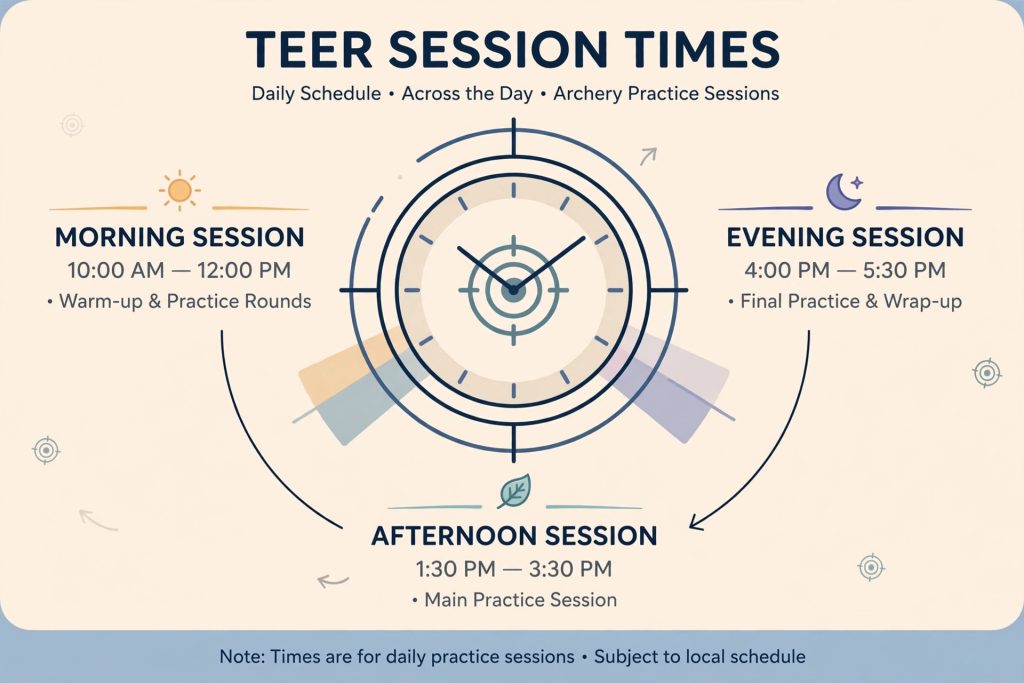
If you follow teer regularly, knowing the exact teer result time for each session is the single habit that saves you the most time and stress. Instead of refreshing a page all morning wondering whether the result is out yet, you can glance at a simple schedule, check once, and get on with your day. This guide helps you plan your whole day around teer timings, from the first morning session to the last night result, with practical routines that respect your work, your family time, and your weekends.
You will learn the typical teer result time for the Shillong, Juwai, Khanapara, Jowai, Ladrymbai, and night games, how to set phone reminders for every session, and what to do in the gap between the FR and SR rounds. Everything here is evergreen timing guidance, so you can bookmark this page and reuse it every week. All times are given as typical times in Indian Standard Time, and because the exact minute can shift slightly by organizer and by day, always confirm the declaration on the live result cards before treating a timing as fixed. Game days run Monday to Saturday, with Sunday observed as a holiday across all teer markets.
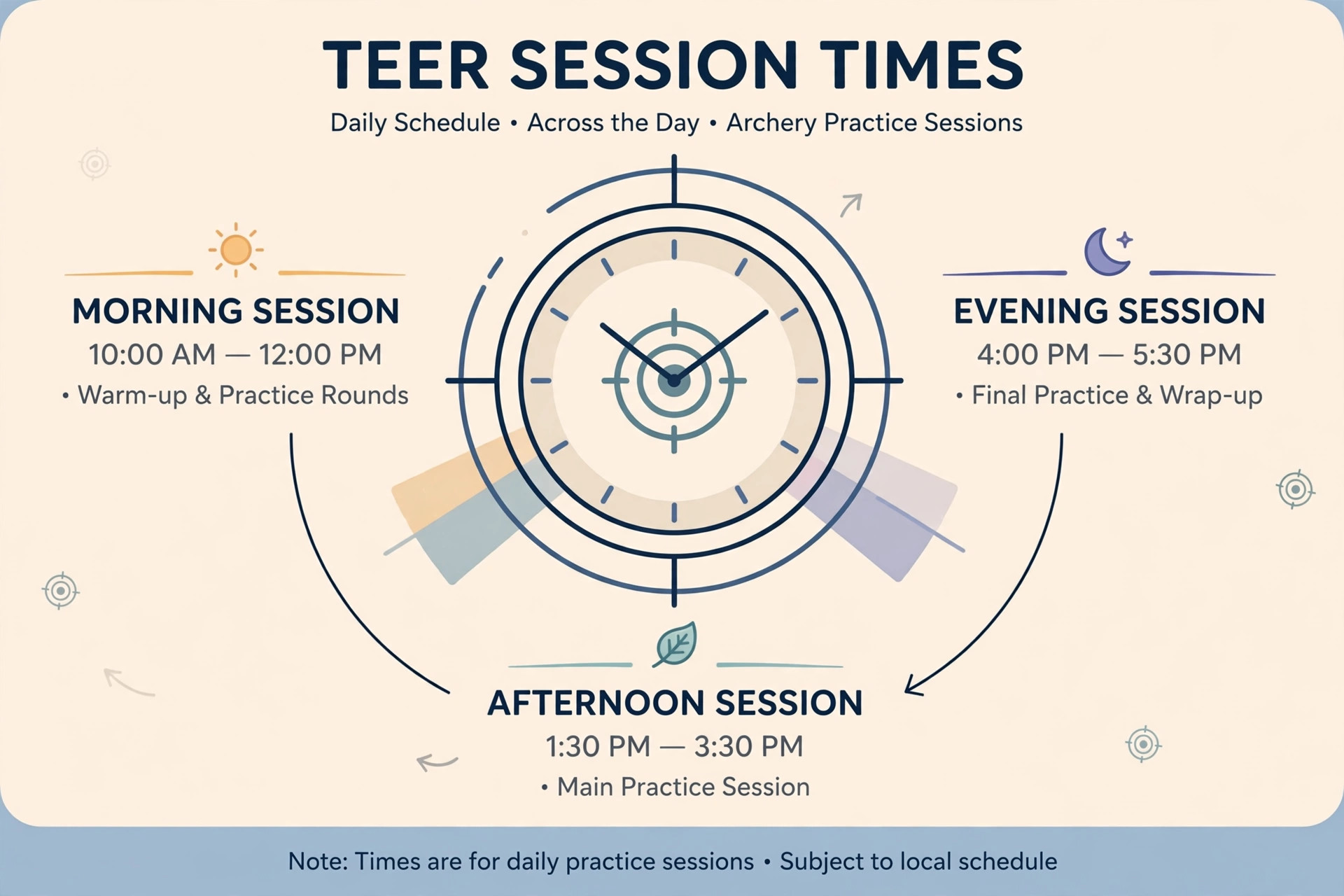
Why the Teer Result Time Matters More Than You Think
Most followers lose far more time to teer than they realize, and it is rarely the few seconds of reading a result that costs them. It is the hours of distracted checking in between. You open a tab at 10 AM for a 10:30 AM session, then check again at 10:10, 10:20, and 10:35, even though the teer result timing was never a mystery. The result comes out when it comes out, and a clear schedule replaces that anxious hovering with a single confident glance at the right moment.
Stop the endless refreshing
Think of teer sessions the way you think of train departures. Nobody stands at the station three hours early just in case the train leaves sooner. You learn the timetable, arrive a few minutes before departure, and spend the waiting time doing something useful. The same discipline works beautifully with teer. Once you internalize the teer result time for your favorite markets, you check the result once per round, note it down, and move on. Followers who adopt this approach often tell themselves they will “just take a quick look” far less often, because the schedule answers the question before the urge appears.
The FR and SR rhythm explained
Every teer market runs two rounds on each game day, universally called FR (First Round) and SR (Second Round). The FR result is declared first, typically followed by the SR result about an hour later, though the exact gap varies by market and by day. Understanding this two-beat rhythm is the foundation of your daily routine, because it tells you that each market needs two brief check-ins, not one long vigil. A result is displayed as a two-digit number (for example, “- -” shown as an example only, not a real result), where each digit ranges from 0 to 9. You do not need to understand anything deeper to follow the timing side of the game; the numbers themselves never change the schedule.
The Complete Teer Result Time Cheat Sheet
Below is the full teer result timing overview for a normal game day, Monday through Saturday. Treat every entry as typical rather than exact. Organizers can shift a declaration by a few minutes, and occasional delays happen, especially on busy days or when weather affects the archery grounds. If you are searching for the teer result time today on a specific date, this cheat sheet tells you when to start watching, and the live result cards on this site tell you when each number has actually been declared.
Morning sessions, roughly 10:30 AM to noon
The morning markets suit early risers and anyone who likes to get teer out of the way before the workday begins.
- Shillong Morning: FR is usually around 10:30 AM, and SR is usually around 11:30 AM. The shillong teer time in the morning is the most widely followed of all the morning slots.
- Juwai Morning: FR is usually around 10:30 to 10:40 AM, and SR is usually around 11:30 to 11:40 AM. Because the juwai teer time runs almost parallel to Shillong Morning, many followers check both markets in one sitting.
- Khanapara Morning: FR is usually around 11:00 AM, and SR is usually around 12:00 PM. The khanapara teer time sits slightly later, which makes it a comfortable single session for late risers.
Afternoon sessions, roughly 2:30 PM to 4:50 PM
The afternoon block is the busiest part of the teer day, with several major markets declaring within a few hours of each other.
- Juwai (afternoon): FR is usually around 2:30 PM, and SR is usually around 3:00 to 3:10 PM. This is the main Juwai session and one of the most popular markets overall.
- Shillong (afternoon): FR is usually around 3:45 PM, and SR is usually around 4:45 PM. The afternoon shillong teer time is the flagship session for most followers.
- Khanapara (afternoon): FR is usually around 4:10 to 4:20 PM, and SR is usually around 4:45 to 4:50 PM. The khanapara teer time in the afternoon overlaps with the tail end of the Shillong session.
- Jowai and Ladrymbai: FR is usually around 4:45 PM, and SR is usually around 4:50 PM. These smaller markets declare close together in the late afternoon.
Night sessions, roughly 8:30 PM to 9:30 PM
The night games close out the teer day for followers who prefer an evening routine.
- Shillong Night: FR is usually around 8:30 PM, and SR is usually around 9:30 PM.
- Night Teer: FR is usually around 8:30 PM, and SR is usually around 9:30 PM. The night markets mirror each other, so one evening check-in often covers both.

Build Your Personal Result-Checking Schedule
A generic timetable is useful, but a personal schedule is transformative. Your ideal routine depends on which markets you follow, when you work, and how much attention you want teer to take from your day. The goal is simple: never wonder “is it time yet?” because the answer is already written down.
Step 1 – Choose your markets honestly
Most followers do best when they limit themselves to two or three markets per day. Following all nine sessions means up to eighteen check-ins, which turns a hobby into a full-time distraction. Ask yourself which markets you genuinely enjoy following. If you love the mornings, commit to Shillong Morning and Juwai Morning, and let the afternoon markets go. If your free time is in the evening, the night sessions alone may be enough. There is no prize for covering every session, and a focused follower notices timing patterns far better than a scattered one.
Write your chosen markets on a card or a phone note in this format: market name, FR time, SR time. For example, “Shillong afternoon: FR ~3:45 PM, SR ~4:45 PM.” Keep this note where you can see it, perhaps as a phone wallpaper or pinned chat message to yourself. Over a week or two, these times become second nature, and you will stop needing the note at all.
Step 2 – Anchor checks to habits you already have
The easiest schedules piggyback on routines that already exist. Behavioral researchers call this habit stacking, and it works perfectly for teer result timing. Your morning tea at 10:25 AM becomes the trigger for the 10:30 AM morning check. Your lunch break becomes the home of the 2:30 PM Juwai FR check. Your evening walk or television time frames the 8:30 PM night session. When a check is tied to something you do anyway, you never need willpower to remember it.
Walk through your typical weekday and mark the natural pauses: waking up, breakfast, the commute, the mid-morning break, lunch, the afternoon slump, the commute home, dinner, and bedtime. Now place each teer session next to the pause it sits closest to. You will immediately see which sessions fit effortlessly and which ones would require you to interrupt something important. Drop the sessions that do not fit, or move them to days when your routine is lighter.
Three sample day plans you can copy
The office worker. You follow the afternoon and night markets. At 2:25 PM, during your post-lunch stretch, you check the Juwai FR result. At 3:00 PM you glance at the SR during a tea break. The 3:45 PM Shillong FR waits until your 4:00 PM break, and the 4:45 PM SR gets checked on the commute home or right after you reach home. Night sessions are checked from the sofa at 8:30 PM and 9:30 PM. Total disruption to work: three or four two-minute glances, all inside legitimate breaks.
The home-based follower. You prefer mornings. At 10:25 AM you finish your chores and check Shillong Morning FR and Juwai Morning FR together at around 10:30 AM. The SR rounds for both are checked at around 11:30 AM. Khanapara Morning FR at around 11:00 AM and SR at around 12:00 PM fill the late morning. Afternoons are completely free for errands, rest, or family, and you skip the evening markets entirely. Your teer day ends at noon, which many followers find wonderfully freeing.
The shopkeeper or student. Your day is unpredictable, so you pick just one flagship market: Shillong afternoon. One check at around 3:45 PM for FR, one at around 4:45 PM for SR, and optionally the night session at 8:30 PM if you are still awake and interested. Two to three checks per day, each under a minute, and nothing else. This minimal routine still keeps you fully connected to the day’s most important results.
Adjust any of these templates to your life. The principle stays the same: fewer, deliberate checks beat constant, anxious ones.
Setting Phone Reminders for Every Teer Session
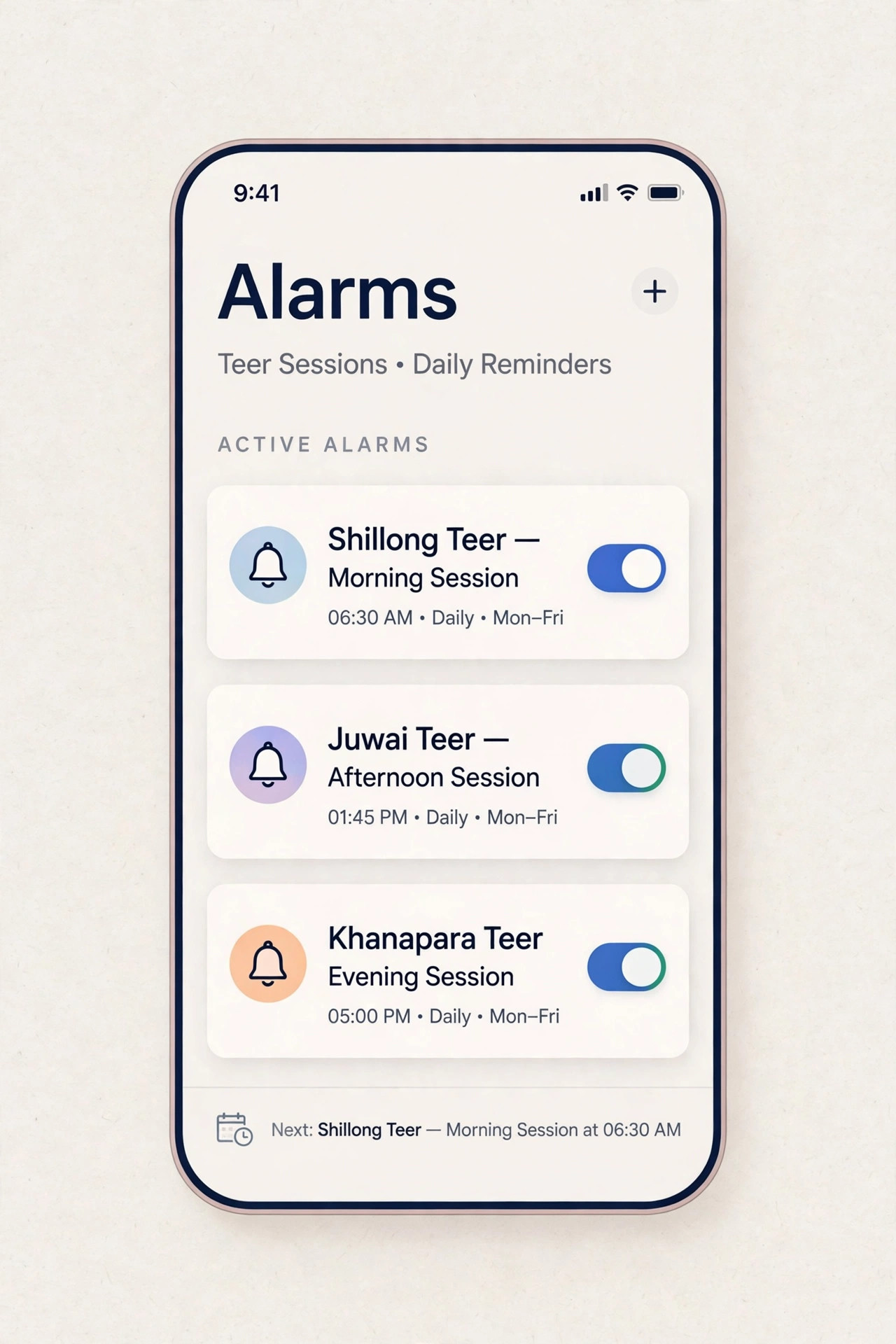
Even the best paper schedule fails when life gets busy. Phone reminders are the safety net that makes your teer result time routine automatic. Set them once, and they will run your schedule for you every game day.
Reminders that actually work
The most effective reminder fires five minutes before the typical declaration time, not at the exact minute. A 3:40 PM alarm for the 3:45 PM Shillong FR gives you time to finish what you are doing, open the result page, and be ready. Alarms set for the exact minute often arrive while you are mid-task, so you dismiss them and forget. Five minutes of lead time turns the reminder from an interruption into a gentle heads-up.
Use distinct sounds for teer alarms if your phone allows it. When your regular morning alarm and your teer reminder share the same tone, your brain files both under “things to snooze.” A unique chime, even a short vibration pattern, trains your brain to recognize “this is the teer check” within days. Keep the reminder persistent until you acknowledge it, because a single silent notification is easy to miss during a busy afternoon.
Name each alarm clearly
Vague alarms get ignored. “Check results” could mean anything, and your brain will happily postpone it. Specific alarms get obeyed. Name each one with the market and the round, exactly like this: “Shillong FR – check now”, “Juwai SR – check now”, “Khanapara Morning FR – check now”. The reminder itself becomes the instruction, so there is no decision to make when it rings. You see the market name, you check that one result, you dismiss the alarm.
A reminder template you can copy
Here is a complete alarm set for a follower who tracks the three most popular sessions. Adjust the list to match your own chosen markets.
- 10:25 AM: “Shillong Morning FR – check now”
- 11:25 AM: “Shillong Morning SR – check now”
- 2:25 PM: “Juwai FR – check now”
- 2:55 PM: “Juwai SR – check now”
- 3:40 PM: “Shillong FR – check now”
- 4:40 PM: “Shillong SR – check now”
- 8:25 PM: “Night FR – check now”
- 9:25 PM: “Night SR – check now”
Set these as recurring alarms for Monday through Saturday, and turn the whole group off on Sundays. Most phones let you choose active days per alarm, so spend ten minutes configuring them once and you will never think about it again. If a session does not interest you, simply delete its two alarms. Your phone now knows your teer result timing better than you do, and that is exactly the point.
What to Do Between the FR and SR Rounds
The gap between FR and SR is the most misunderstood part of the teer day. It usually lasts about an hour, sometimes a little less for the smaller markets, and followers tend to handle it in one of two bad ways: they either stare at the screen for the whole hour, or they wander off and miss the SR entirely. A better plan treats the gap as a gift of structured free time.
Why there is a gap
Each round is a separate archery session with its own result, and the organizers need time between them to complete the shooting, count the arrows, and declare the number. The gap is not dead time in the schedule; it is the working time of the game itself. Knowing this helps you relax, because the SR result physically cannot appear the moment the FR is declared. There is no point refreshing every two minutes during the interval.
Productive ways to fill the hour
Match the gap to the time of day. The morning gap between 10:30 AM and 11:30 AM is perfect for a solid hour of focused work, a workout, or finishing household chores. Set a timer if you like, then dive in completely, knowing your SR alarm will pull you back at the right moment. The afternoon gap between the Juwai rounds (about 2:30 PM to 3:00 PM) is shorter, ideal for answering messages, making a phone call, or taking a short walk. The Shillong afternoon gap from about 3:45 PM to 4:45 PM is a full hour again, long enough for a proper tea break, a chapter of a book, or the school run.
The night gap from about 8:30 PM to 9:30 PM deserves special care, because it sits inside family time. Use it for dinner, conversation, or helping children with homework, and let the 9:25 PM alarm handle the SR check. The hour passes enjoyably, and the check itself takes less than a minute.
The one thing to avoid in the gap
Do not spend the interval analyzing the FR result to guess the SR. This is the moment to restate a firm rule of this guide: this article contains no prediction content, no common numbers, no target numbers, and no betting advice of any kind. The FR result has no bearing on when the SR will be declared or what it will be, and treating the gap as analysis time only feeds the anxious refreshing habit you are trying to break. Fill the hour with your life, not with speculation.

Balancing Teer Result Checks with Work and Family Time
A teer routine only survives if the people around you barely notice it. The moment your result checks start interrupting meetings or family dinners, the routine becomes a source of friction instead of enjoyment. The good news is that each check genuinely takes under a minute, so balance is mostly a matter of timing and courtesy.
At work
The golden rule at work is simple: check only during breaks you already take. The afternoon teer block lines up surprisingly well with a normal office rhythm. The Juwai FR at around 2:30 PM falls inside most lunch hours, the Juwai SR at around 3:00 PM fits a tea break, and the Shillong FR at around 3:45 PM can wait for your mid-afternoon stretch. Nobody needs to know you checked a result, because you checked it exactly when everyone else checks their own phones.
Never let a teer alarm ring audibly in a meeting. Switch your teer reminders to vibrate-only during work hours, and if a check would interrupt focused work, skip it without guilt. Every result is archived, and you can review the full teer result list for the day in one sitting after work. Missing a live check costs you nothing; the numbers wait for you. For a quick catch-up on any session you missed, the full teer result list on this site keeps every declared result in one place.
If your workplace has strict phone policies, consider following only the night sessions. Checking at 8:30 PM and 9:30 PM from home removes teer from your workday entirely, and many followers find the evening-only routine the most relaxing of all.
With family at home
Family time needs even more care, because the people you love notice your attention drifting. Be transparent about your routine in a light way: “I check the teer result at half past eight, it takes thirty seconds, then I am all yours.” When the check is predictable and brief, it stops feeling like an interruption and starts feeling like glancing at the time.
Keep the phone face-down during meals and conversations, and let the alarm be the only trigger. The disciplined follower checks when the reminder fires and puts the phone away immediately after. The undisciplined follower checks “just once more” during dinner, and that is the habit that causes resentment. If you have young children, consider making the morning sessions your main markets, since the house is often busiest in the evening. And always model healthy boundaries: children learn their phone habits from watching yours.
Planning Around the Sunday Teer Holiday
Sunday is a holiday for every teer market, with no sessions and no results declared. Rather than seeing this as an empty day, treat it as the planning day that makes your whole week smoother.
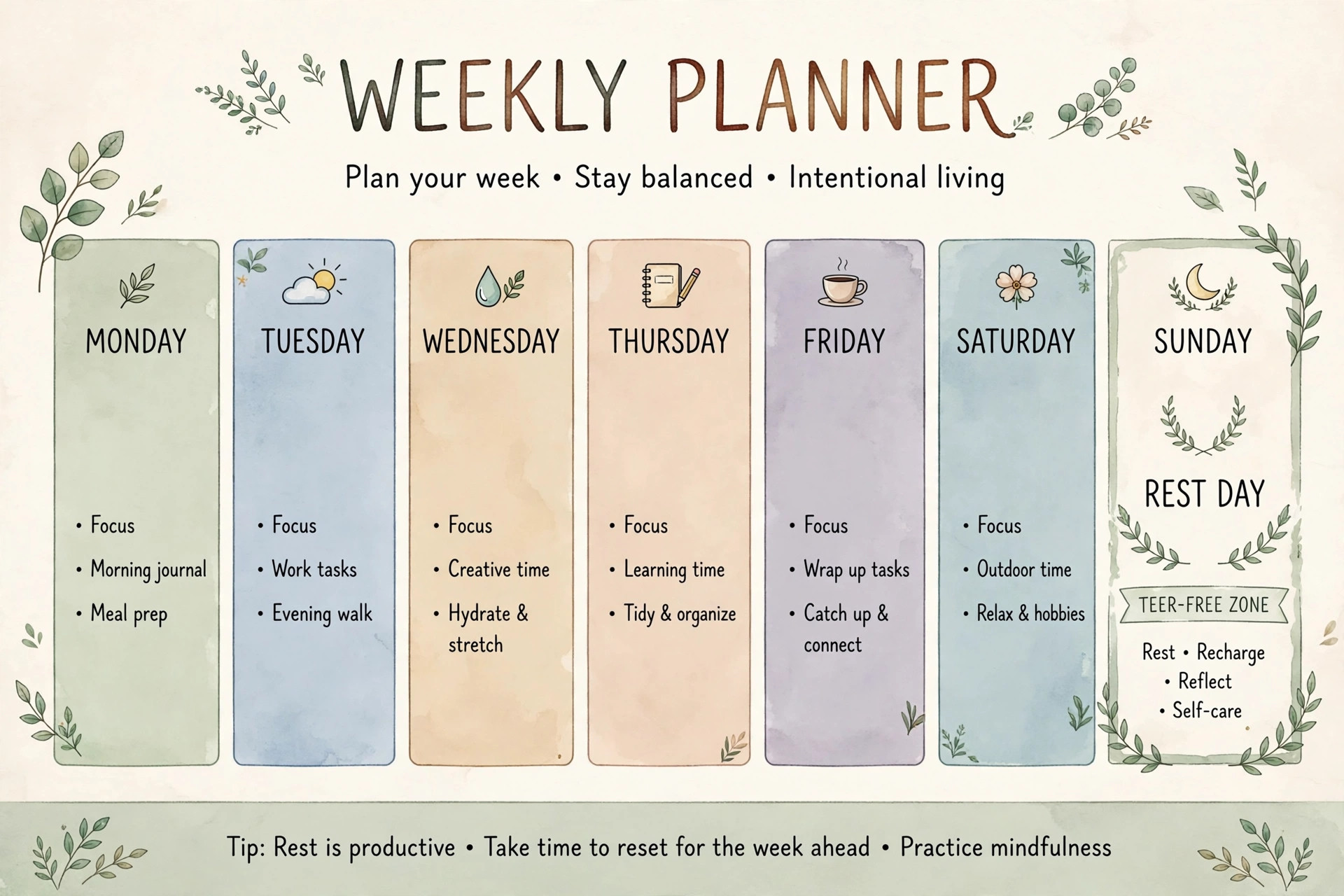
Use Sunday to reset your routine
Once a week, review how your schedule actually worked. Did you miss the Khanapara Morning SR three days in a row? That market may not fit your mornings, and dropping it will simplify your routine. Did the 4:45 PM Shillong SR alarm keep firing during your commute? Move that check to 5:15 PM when you are home; the result will still be there. A five-minute Sunday review keeps your teer result timing plan matched to your real life instead of an idealized version of it.
Sunday is also the right day to check that your alarms are still correct. Phones update, settings get reset, and a reminder group that silently stopped working can leave you wondering why you “missed everything this week.” A quick glance at your alarm list each Sunday prevents that frustration.
Plan the coming week
Look at the week ahead for anything unusual: a travel day, a late meeting, a family event. For days when your routine will break, decide in advance which sessions you will follow and which you will skip. A traveler might keep only the night sessions that week. Someone with an evening wedding might skip the night markets for a day. Deciding on Sunday removes the daily willpower battle, and you start Monday with a clear, realistic plan instead of vague intentions.
Teer Result Time FAQs
What is the teer result time today?
The teer result time today follows the same weekly pattern as every other game day, Monday through Saturday. Morning sessions are usually declared between 10:30 AM and 12:00 PM, afternoon sessions between 2:30 PM and 4:50 PM, and night sessions between 8:30 PM and 9:30 PM. For the exact declaration status right now, check the live result cards on the All Teer homepage, which show each session as declared. Remember that Sunday is a holiday with no results.
What is the difference between FR and SR in teer result timing?
FR stands for First Round and SR stands for Second Round. Each market holds two separate archery sessions per game day, and each round produces its own result. The FR result is declared first, and the SR result typically follows about an hour later, though the gap varies by market. Your daily routine should therefore include two brief check-ins per market, one for each round, rather than a single long wait.
Why was a result declared later than the usual teer result time?
Minor delays are normal and happen for ordinary reasons: the archery session ran long, counting took extra time, or weather slowed the proceedings. The times in this guide are typical, not guaranteed, and organizers may shift a declaration by several minutes on any given day. If a result is more than an hour late, it is usually worth checking the Shillong teer result page or the relevant market page later rather than refreshing continuously.
Can I check all teer result timings in one place?
Yes. The most efficient approach is to keep one bookmarked page that shows every market’s status together, such as the homepage of a dedicated teer results site, and pair it with your personal alarm schedule from this guide. Between the cheat sheet above for typical times and the live cards for actual declarations, you have everything you need without visiting multiple sites.
Is teer timing the same every day of the week?
The teer result timing pattern is the same Monday through Saturday, with sessions declaring at roughly the same times each day. Sunday is a complete holiday with no sessions. Public holidays can occasionally affect the schedule, so on festival days it is wise to check the live result cards rather than assuming the normal timetable.
How can I stop checking results too often?
Build the routine described in this guide: pick two or three markets, set phone alarms five minutes before each typical declaration time, and check only when an alarm fires. Anchor each check to an existing habit like a meal or a break, and fill the FR to SR gap with real activities. Most followers find that a written schedule plus named alarms cuts their checking habit down to a few one-minute glances per day within a week.
Conclusion
Planning your day around teer timings is not about giving teer more of your time; it is about giving it less, but at exactly the right moments. Learn the typical teer result time for the markets you love, set your alarms once, anchor each check to a habit you already have, and let the gaps belong to your work, your rest, and your family. Review the routine on Sundays, adjust it when life changes, and keep every check brief and deliberate. Followed this way, teer stays what it should be: a small, enjoyable thread in a well-organized day.
A final responsible-play note: teer is a legal, state-regulated lottery in Meghalaya, open to adults aged 18 and above only. If you participate, do so responsibly and within your means, and never let it interfere with your work, family, or finances. You can read more about the state’s official framework on the Meghalaya government portal and find general citizen information on lotteries through the national government portal.